‘Want to return, but can’t without safety’: Rohingyas in India react to ICJ ruling on Myanmar genocide
“We want to return to Myanmar...But we cannot return unless our lives and families are safe,” said one of several Rohingyas living in camps across India, after the recent International Court of Justice (ICJ) ruling that held Myanmar responsible for genocide.ICJ president Yuji Iwasawa on Thursday said the top UN court, in a 9-6 decision, found that Myanmar “has committed genocide against the Rohingya group in northern Rakhine State, in violation of its obligations under the Genocide Convention”, while ordering the Southeast Asian nation to allow Rohingya who fled the violence to return home.While the Rohingyas welcomed the judgment, calling it historic, those in India demanded they are treated as survivors of genocide and not as criminals or illegal infiltrators.
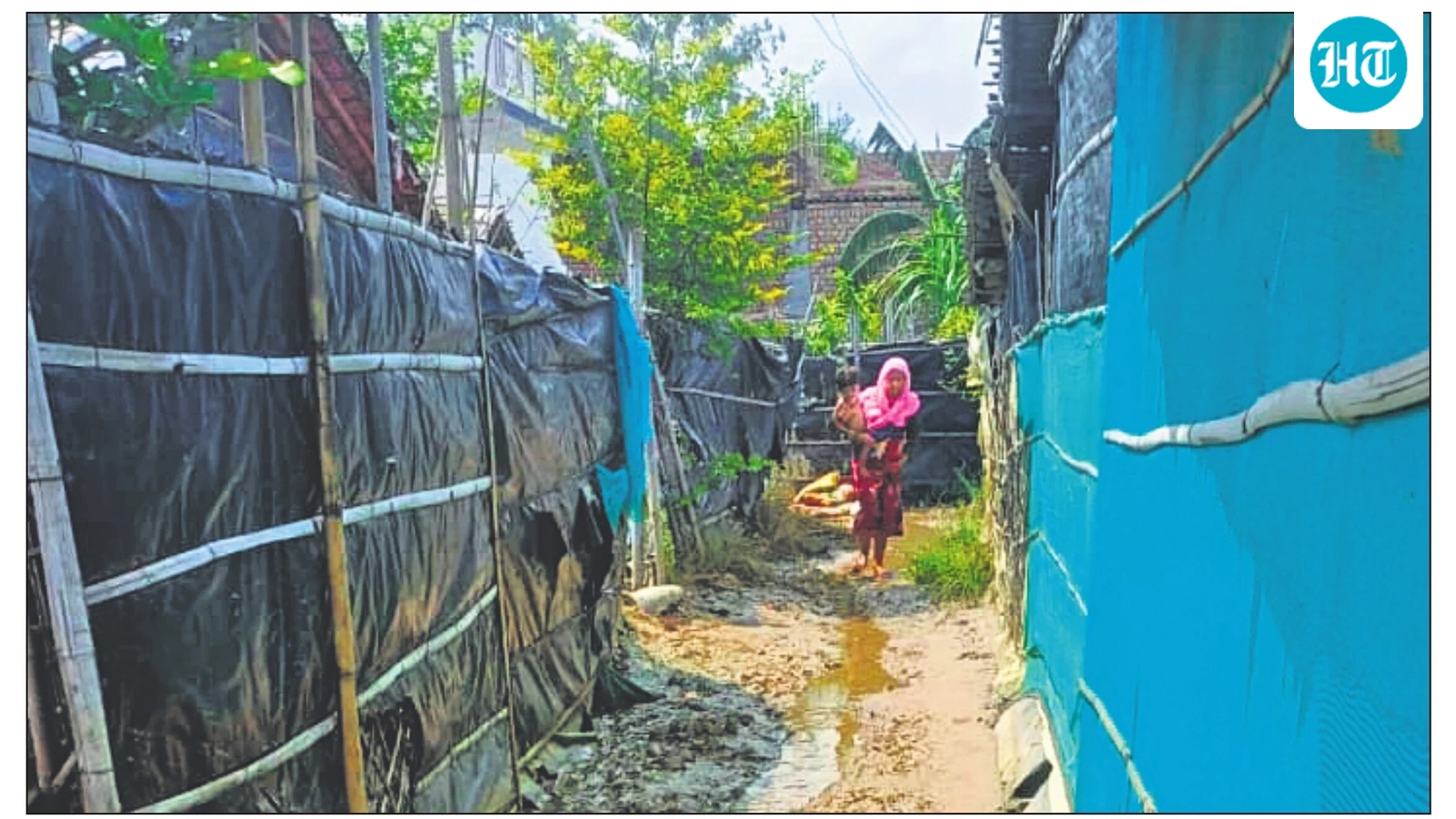
“Justice for the Rohingya must not end with today’s ruling. It must lead to accountability, reparations, protection, and ultimately, our safe and dignified return to our homeland,” Sabber Kyaw Min, founder and director of the Rohingya Human Rights initiative, said in a statement.Also Read | Myanmar calls International court's Rohingya genocide ruling ‘unfair’In Haryana’s Nuh district, around 1,695 Rohingya refugees live in 10 settlements.
“Living away from our homeland, not knowing when we can go back, has been difficult for our community. But we cannot return unless our lives and families are safe and we are allowed to live with equal rights and dignity,” said Kamal Hussain, a Rohingya refugee in one of the camps.Ali Johar said the community hoped to rebuild their lives in Myanmar rather than remain displaced indefinitely.
“We want our children to grow up in their homeland without fear. For that to happen, we need security, recognition of our rights and the assurance that we will not be persecuted again,” he said.In Jammu, where many Rohingyas live in temporary camps, Zabul Haq (30) said he was not willing to go back as there was no safety. He came to India at the age of 16 in 2012 and is currently a sanitation worker.
“I have a wife and four children. With great difficulty we make our ends meet. Though one cannot forget his roots but we can’t think of going back,” he said.Also Read | Myanmar guilty of genocide against Rohingya, rules ICJIn the old city of Hyderabad, 45-year-old Jaffer Alam, living in a camp at Balapur, welcomed the judgement. “If we are given assurance that our rights are protected and there is no threat to our lives, we are ready to go back to Myanmar,” saidAlam, along with his family, fled Rakhine state in Myanmar in 2014, and still has relatives in his country.“We are living in a pathetic condition here, eking out livelihood as a daily labourer.
I was also booked in a petty theft case by the police here. If everything goes well, we will go back to Myanmar,” he said.Mohammad Taher (30) said: “My sister is still in Myanmar, living in a miserable condition in a remote village, after Buddhist monks drove her away from my house,” Taher said, adding he would like to go back to Myanmar if they are assured a life of dignity and respect, without being subjected to harassment.Also Read | Myanmar committed genocide during 2017 Rohingya crackdown, UN court rulesAccording to Taher, there are around 10-15,000 Rohingyas in Hyderabad and most of them are daily wage