Women are 49% of India, but only 14% of Parliament now
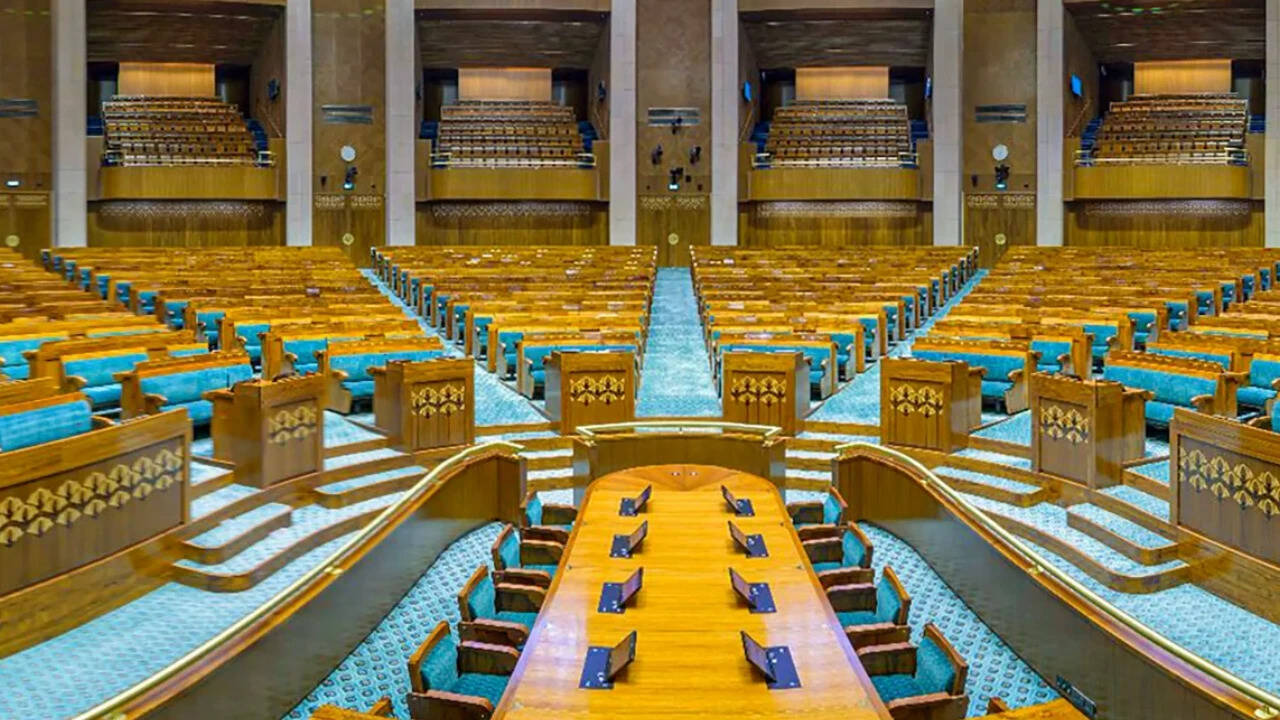
NEW DELHI: With the delimitation and constitutional amendment bills proposing a uniform 50 per cent increase in Lok Sabha and state assembly seats expected to make the cut, paving the way for implementation of the 33 per cent women’s quota, the 2029 Lok Sabha elections will see the gender dynamics change drastically.With women assured a one-third share in Lok Sabha seats, which are expected to rise to 850, women’s representation will mark a major shift, giving women both a larger numerical presence and a bigger opportunity to raise their voice over issues affecting 50 per cent of the population.
Over the decades, despite the improvement in numbers, the count of women MPs has remained far below the 33 per cent mark.An ADR report highlights the paradox that while around 49 per cent of India’s population is female, only 14 per cent of the members of the current Parliament are women.In the first Lok Sabha election in 1951-52, 22 women were elected (around 5 per cent of the House), rising to 75 women MPs (around 14 per cent) in the 2024 Lok Sabha election after peaking at 78 (around 15 per cent) in 2019.In the Inter-Parliamentary Union (IPU) ranking of women in national parliaments, India figures way down at 152nd as of Oct this year.
Once the women’s quota is passed, India’s global positioning in the ranking too would change.As per the 2009 Inter-Parliamentary Union (IPU) survey, one of the strongest deterrents to women entering politics was the lack of finances to contest electoral campaigns. None of the 279 Independent women candidates won in the 2024 general election, given the absence of support. The report called for steps by parties to promote gender equality within by introducing quotas.Over 130 countries use some form of gender quota to boost women’s representation in their national parliaments.Among 4,666 MPs/MLAs across the country, only 464, or 10 per cent, are women, noted a report on ‘Women’s political participation and representation in India’ released earlier this year in March.
This stands out because the women’s population share is of 49 per cent.However, the report also highlighted that over the decades, the number of women contesting polls has also seen a remarkable rise from just 45 women contesting in 1957 to 800 contestants in 2024. Among parties, BJP has the highest number of women MPs (31), followed by INC (13), and AITC (11).Interestingly, PRS Legislative Research draws attention to the fact that according to data from the Inter-Parliamentary Union, 27 per cent of MPs globally are women.
In India, the representation of women in Lok Sabha ranged between 4 per cent and 8 per cent of the total strength until the late 1990s. This proportion started rising after this period.Get the latest India News and Live updates. Download the TOI app.