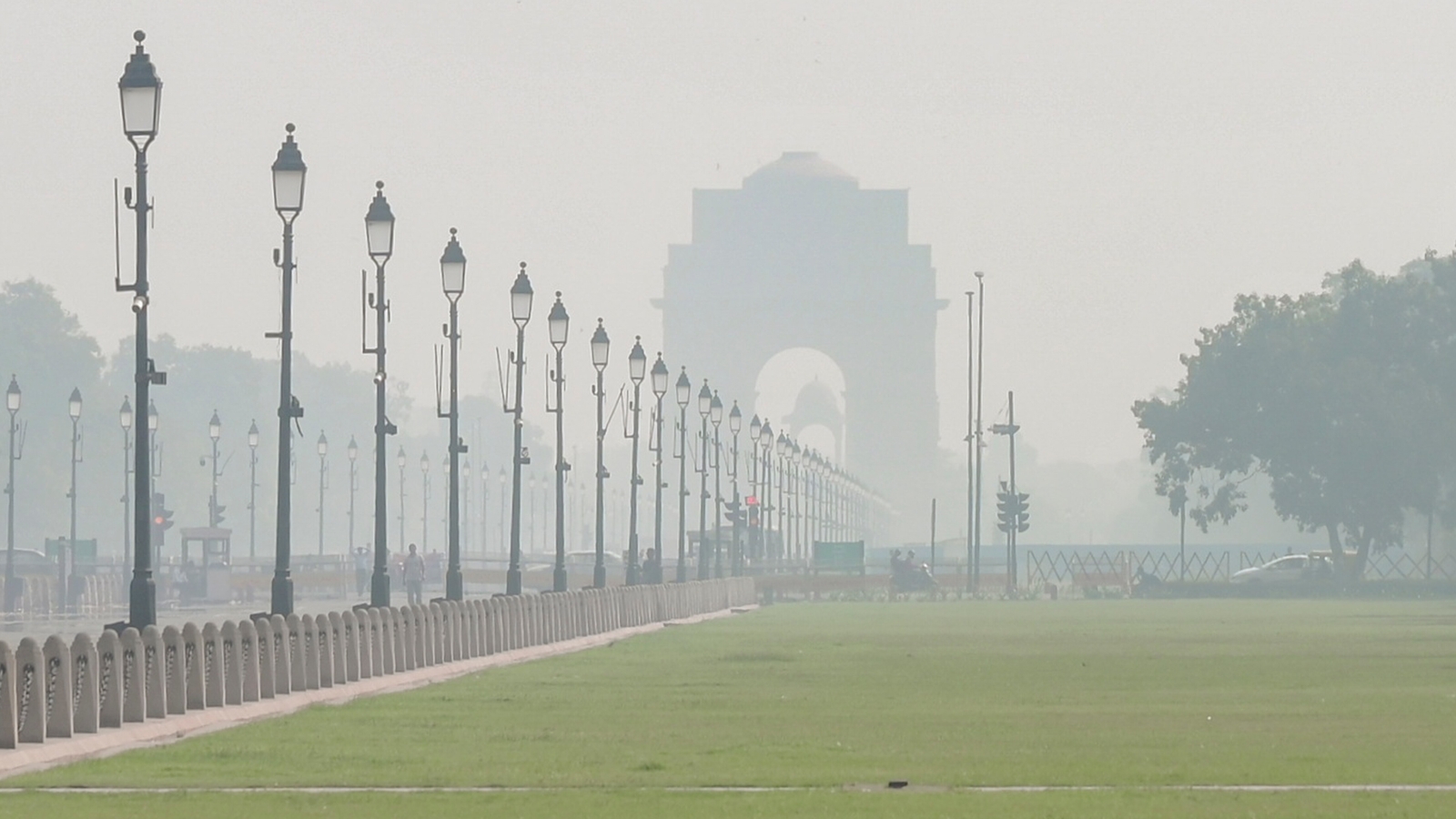
Grap 1 imposed in Delhi-NCR as AQI enters 'poor' category day after Dussehra
The Commission for Air Quality Management (CAQM) on Wednesday notified the implementation of actions under Stage I measures of the Graded Response Action Plan (Grap 1) in Delhi-NCR, aimed at reducing air pollution measures.The Grap 1 notification comes in the backdrop of Delhi's air quality index entering ‘poor’ (AQI of 2O1-3OO) category.“Actions under Stage-l of the Grap shall be implemented, monitored and reviewed by all the agencies concerned in the entire NCR to ensure that the AQI levels do not slip further,” the CAQM said.Also read | Delhi’s AQI rises to 187 amid dry weatherAll implementing agencies shall keep strict vigil and intensify measures of the extant Grap schedule.
Citizens may be requested to strictly adhere to the citizen charter under Grap Stage-I.Delhi recorded a minimum temperature of 18 degrees Celsius on Wednesday, below the seasonal average. Meanwhile, the city’s air quality remained in the ‘poor’ category, with an Air Quality Index (AQI) of 233 at 9 am.What is GRAP Stage-I and why is it implemented?Grap Stage-I refers to the first phase of the Graded Response Action Plan, which comes into force in Delhi-NCR when the AQI falls in the ‘poor’ category, ranging from 201 to 300.
The CAQM implements these measures to control dust, vehicle emissions and the open burning of waste.Key restrictions under Stage-1Stage-1 of GRAP focuses on cutting pollution at its source, especially from dust, vehicles, and industrial emissions. The following restrictions are now in place across the National Capital Region:Dust control is mandatory at all construction and demolition sites.
Projects larger than 500 square metres must have an approved dust management plan.Open burning of garbage, leaves, and other waste is banned.The use of coal or firewood in roadside food stalls and commercial kitchens is prohibited. Hotels, restaurants, and open eateries must use only electricity, gas, or other clean fuels for cooking.Diesel generators are restricted, except for essential or emergency use.Vehicles that visibly pollute the air can be fined or impounded.Traffic regulations include deployment of traffic police at key intersections and instructions for drivers to switch off engines at red lights.Diesel vehicles older than 10 years and petrol vehicles older than 15 years remain banned in Delhi.Residents are advised to turn off engines at red lights and avoid idling.
Prefer hybrid or electric vehicles to reduce emissions.Firecrackers are banned across NCR until January 1, 2025 — including production, sale, and storage.Polluting industries and thermal power plants within 300 km of Delhi face enforcement action.Report pollution-related issues using the Green Delhi App, SAMEER App, or by dialing 311.Minimum temperature of 18 degrees Celsius recordedAccording to the India Meteorological Department (IMD), Safdarjung, Delhi’s main weather station, recorded a minimum temperature of 18 degrees Celsius.Also read | Orange alert issued in Delhi; rain, thunderstorms likely as western disturbance moves inPalam recorded a minimum temperature of 17.8 degrees Celsius, 1.1 degrees below normal, while Lodhi Road registered 17.7 degrees Celsius, 0.7 degrees above normal.At Ridge, the minimum temperature stood at 19.1 degrees Celsius, 0.4 degrees below normal.
Ayanagar recorded a low of 17.7 degrees Celsius, 1.1 degrees below the seasonal average.The IMD has forecast a maximum temperature of around 31 degrees Celsius during the day.Also read | At 17.1°C, Delhi records coldest night of October; 1.3°C below normalAccording to the Central Pollution Control Board (CPCB), Delhi’s AQI stood at 233 at 9 am, placing it in the ‘poor’ category.As per CPCB standards, an AQI between 0 and 50 is classified as ‘good’, 51 to 100 as ‘satisfactory’, 101 to 200 as ‘moderate’, 201 to 300 as ‘poor’, 301 to 400 as ‘very poor’, and 401 to 500 as ‘severe’.