Ohio woman pays $8k for fence; court rejects HOA's $5,056 demand years later
An Ohio homeowners association has lost its legal bid to collect more than $5,000 from a woman over a fence she installed at her property in 2012, after an appeals court upheld a ruling in her favour.The Bloomfield Hills Subdivision Association had sought assessments, late fees, interest and other costs from homeowner Alicia Awwiller, arguing that her fence breached community restrictions.
Its account records showed a claimed balance of $5,056.22.But the Ohio Court of Appeals found no reason to overturn the lower court's decision, which concluded that Awwiller had reasonably understood the association's conditional approval to mean that reducing the fence's height was the only change required.The dispute centred on an installation that took place more than a decade before the association first notified her of the additional violations it alleged.
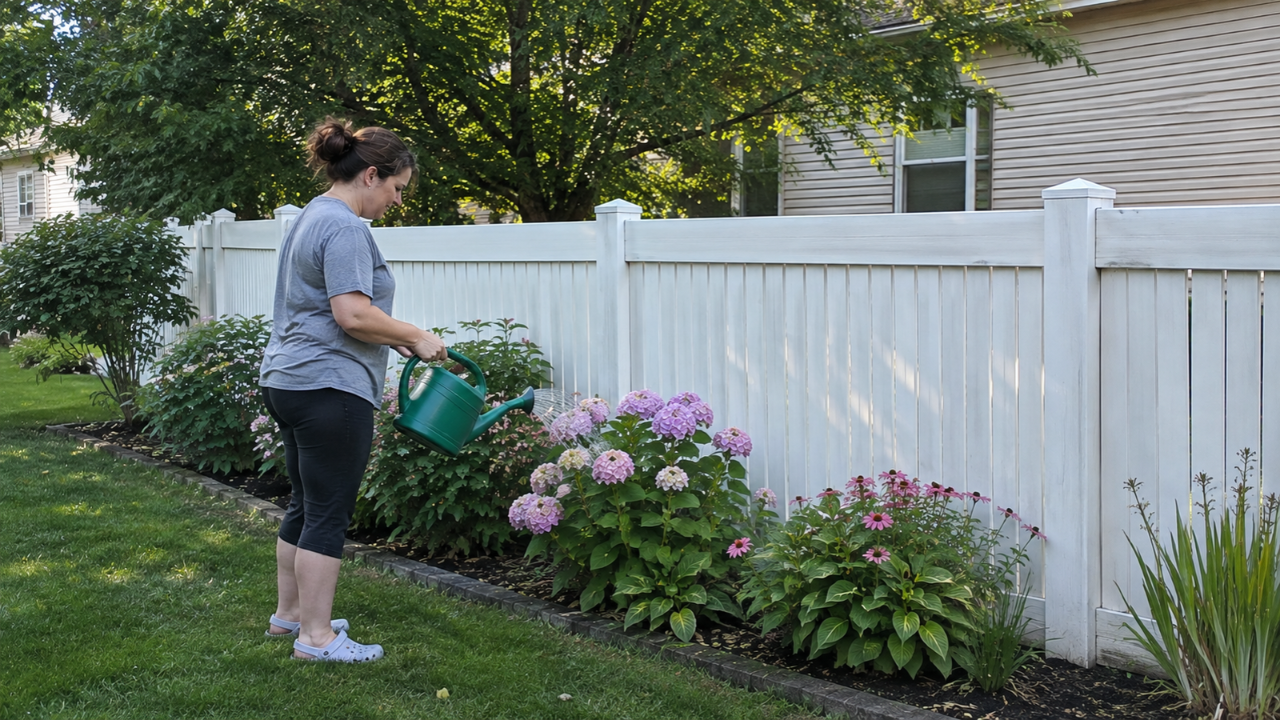
The appeals court announced its decision on Wednesday affirming the judgment in Awwiller's favour.Woman spent $8,000 on fence after receiving conditional approval in 2012Awwiller moved into the Bloomfield Hills subdivision in Pickaway County in 2012. On October 16 that year, she submitted an application seeking permission to install a six-foot white vinyl privacy fence around her backyard.Her application included drawings showing the proposed design and measurements.
The association's community management company, OMNI, responded on October 31, 2012, with conditional approval.The letter stated that the proposed six-foot fence was not approved under the subdivision's restrictions, which limited fence height to four feet. It said the installation would be conditionally approved if the height was reduced to four feet.Awwiller testified that her contractor installed a four-foot fence one or two months later.
She said she spent $8,000 on the vinyl structure and would not have gone ahead with the project had she been fully informed about the other restrictions.The association later argued that the fence also breached rules governing its position on the property and the enclosure of utility boxes. These requirements were included in a separate document, Schedule F, which set out conditions applicable to fence approvals.HOA raised additional violations more than 10 years laterAccording to Awwiller's testimony, she first received notice about the alleged violations in April 2023, more than 10 years after the fence was installed.The association objected to the fence's location in relation to the property's building setback line and said it enclosed utility boxes.
It asked her to submit another application, according to the court record.Awwiller argued that the original application had included the fence's measurements and design, meaning the association had the relevant information when it reviewed the proposal in 2012. She said the approval letter specifically identified the height issue but did not mention the other alleged problems.She also told the court that relocating the fence would be too expensive, particularly given the rise in costs over the years.The association's representative, Amy Tryon, testified that property managers inspected the subdivision for violations every 10 to 14 days.
She said a report about Awwiller's fence being beyond the permitted building line was made on April 25, 2023.Appeals court says approval letter identified fence height as the issueThe association filed a small-claims case against Awwiller on March 31 last year. At trial, it presented an account ledger showing a balance of $5,056.22, covering assessments and other charges it said she owed.The magistrate ruled in Awwiller's favour, finding that the association had waited too long to take action over the fence.
The Circleville Municipal Court upheld that decision after a few months on September 16, concluding that the conditional approval had reasonably led her to believe the fence height was the only issue.The association appealed, arguing that the approval letter also incorporated the other conditions in Schedule F and that Awwiller had failed to comply with them.The appeals court disagreed.
It noted that the letter explicitly stated the fence was conditionally approved if its height was reduced from six feet to four feet. The judges said this wording reasonably indicated that height was the only restriction the design review board was concerned about when it issued the approval.The court also pointed out that the association's management company had drafted the letter.
If it intended to require changes to the fence's position and the utility boxes, it could have clearly listed those requirements.The judges further noted that Awwiller had submitted a plan showing the fence's dimensions and had not attempted to conceal its proposed alignment.The association also challenged the lower court's reliance on the legal principles of laches and the statute of limitations, as well as its handling of the rules governing fines.
However, the appeals court said it did not need to consider those arguments because its decision on the original approval issue had already resolved the case.You use AI every day. Now get your AI Quotient. Take the AIQ test.