Alaska Supreme Court upholds ban on 27-acre gravel mine over noise concerns
A gravel mine can change more than a landscape, particularly when nearby homes are exposed to noise and visual disturbance. In Alaska, a dispute over a proposed mine on 27 acres of rural land continued through years of public hearings, appeals and court proceedings. On October 23, 2026, the Alaska Supreme Court upheld the decision denying the mining permit, finding that the local planning commission had the authority to reject the proposal if its impacts could not be adequately reduced.
According to the court’s opinion in Beachcomber, LLC v. Kenai Peninsula Borough Planning Commission, available on Justia, the property’s unusual bowl-shaped terrain was central to the dispute.A gravel mine proposed for rural AlaskaBeachcomber LLC, which owned a 41.72-acre property in Anchor Point, applied in 2018 for a conditional land use permit to operate a gravel pit on roughly 27 acres.
Under the Kenai Peninsula Borough’s rules, certain excavation projects in rural areas require approval from the borough’s planning commission.The application attracted strong opposition from nearby residents. During a public hearing in July 2018, nearly 30 community members spoke against the proposal, while written comments and petitions raised concerns about noise, dust and visual impacts.
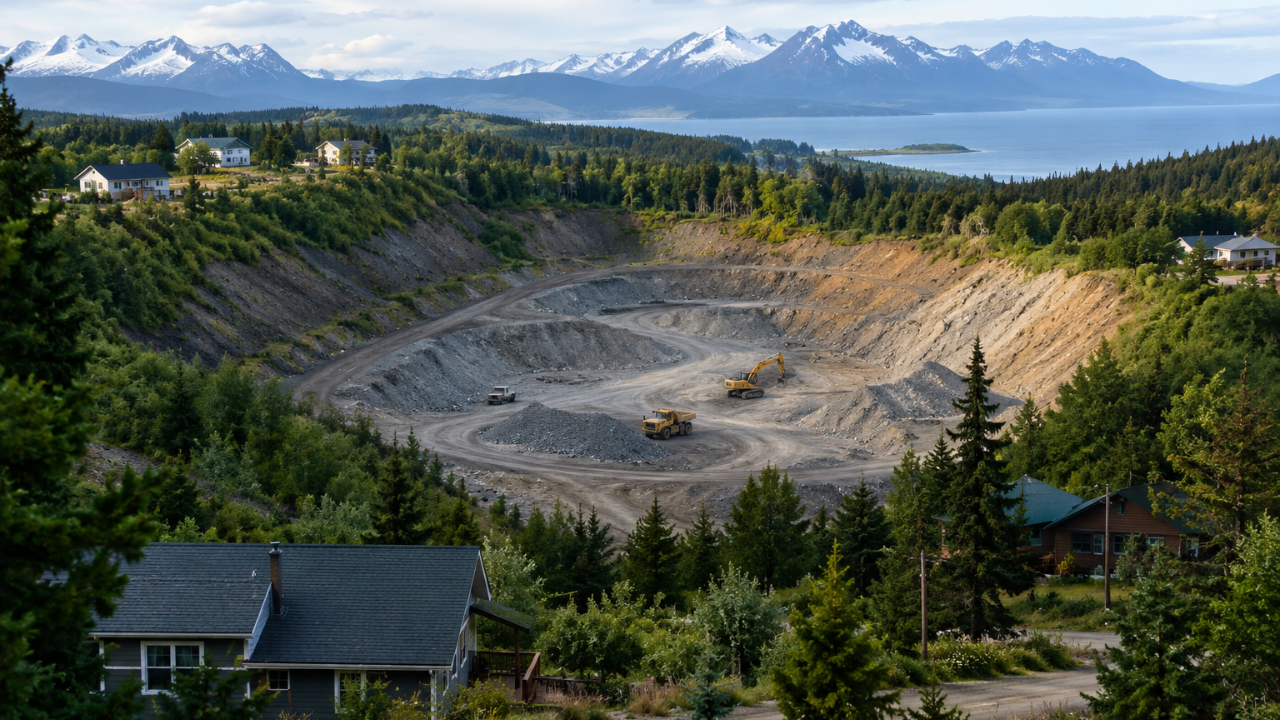
The commission voted 6-3 to reject the application, finding that the site’s unusual terrain would make it difficult to reduce the effects on neighbouring properties.Why the land’s shape became centralThe proposed mine was located in a natural depression described by officials and residents as resembling an amphitheatre. The shape of the land was important because it could allow sound to travel towards nearby homes, while conventional barriers might not adequately block noise or views of the excavation.
The borough’s rules allowed the commission to require measures such as retaining natural vegetation and constructing earthen berms to reduce noise and visual disturbance. However, commissioners concluded that these measures would not be enough for this particular site.Beachcomber challenged the rejection, arguing that the rules did not give the commission discretion to deny a permit if the applicant met the conditions specified in the code.
The dispute then moved through several levels of administrative and judicial review.Years of appeals over the permitAfter the initial rejection, a borough hearing officer agreed with Beachcomber’s interpretation of the rules and sent the application back for reconsideration. In June 2019, the commission approved the permit after applying that interpretation. Neighbour Hans Bilben and other residents appealed the approval.
In September 2021, the Alaska Superior Court reversed the decision, ruling that the commission could deny an application if the available conditions could not adequately minimise its impacts.The commission reconsidered the proposal and rejected it again in March 2022, voting 5-2 against the permit. It found that the site’s topography would prevent the permitted barriers from adequately reducing noise and visual effects.
A hearing officer upheld that decision, and the Superior Court affirmed it in April 2024. Beachcomber then appealed to the Alaska Supreme Court, challenging the interpretation of the borough code as well as the process used to deny the application.Supreme Court upholds the rejectionIn its October 23, 2026 decision, the Alaska Supreme Court upheld the commission’s denial and the lower courts’ rulings.
The justices concluded that the borough code allowed the commission to reject a permit when substantial evidence showed that the available conditions would not adequately minimise noise and visual impacts.The court also rejected Beachcomber’s arguments that the commission had improperly considered public testimony and LiDAR images, which provide detailed information about ground elevation.
It explained that community opposition alone could not justify denying a permit, but found that residents’ testimony and visual evidence were relevant to assessing the proposed mine’s effects on neighbouring properties. The decision did not establish a blanket ban on gravel mining in the area. Instead, it confirmed that local authorities could refuse a particular project when the evidence showed that its impacts could not be adequately controlled under the applicable rules.For the residents around the proposed site, the ruling ends this stage of a dispute that began with a permit application in 2018.
For Beachcomber, it leaves the mine proposal rejected under the rules applied in the case. The decision also clarifies that meeting specified permit conditions does not automatically guarantee approval when a planning commission has evidence that significant effects on neighbouring properties would remain.You use AI every day. Now get your AI Quotient. Take the AIQ test.