With one oven, 22 turkeys and 700 Christmas meals, woman carries on mom's legacy
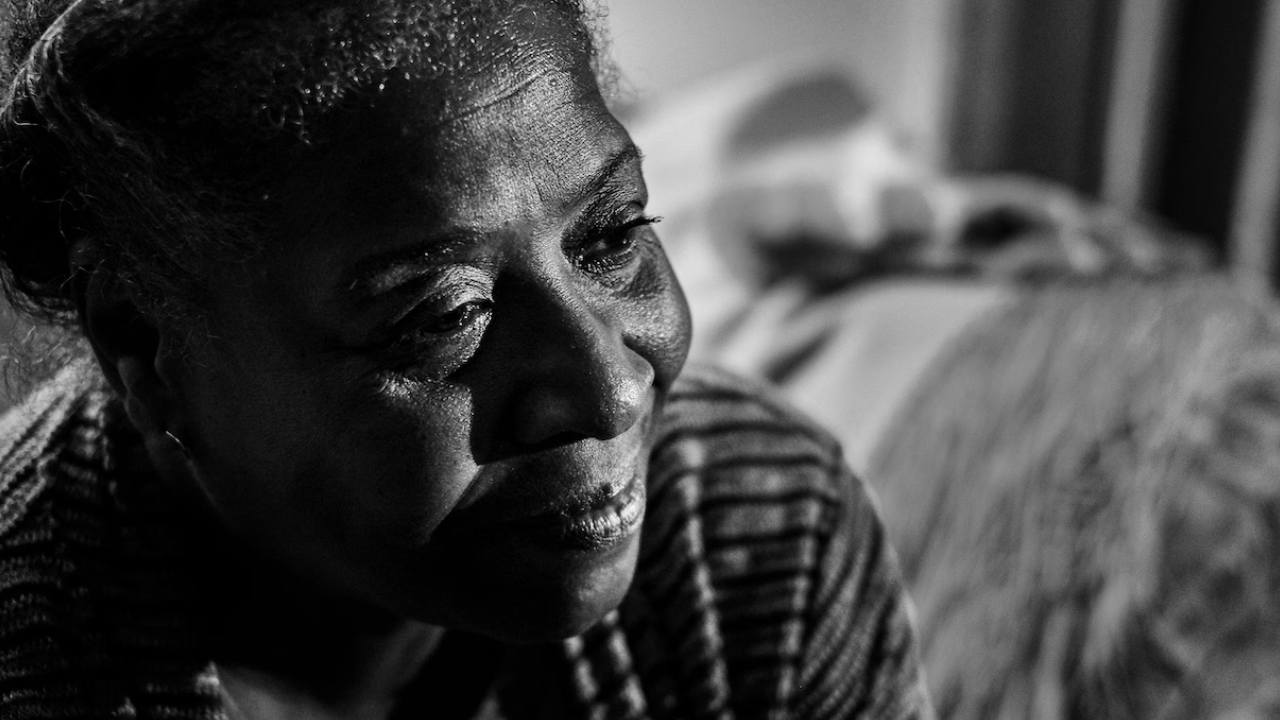
For Carolyn Marshall, Christmas has always been about more than celebrations at home. Every year, she takes on an enormous cooking operation to ensure that people facing financial hardship, older residents and those without a festive meal can still enjoy a traditional Christmas dinner. In 2018, her remarkable effort was documented by The Washington Post’s Jessica Contrera and The Lily, while a subsequent report by Voice of America offered a glimpse into how her family’s charitable work continued.
At the centre of the operation was Marshall’s home in Washington, DC, where she prepared an estimated 700 meals using a single oven. The menu included 22 turkeys weighing approximately 460 pounds in total, along with stuffing, sweet potatoes, green beans and gravy.While volunteers helped pack the food into individual containers and deliver it across the city, the cooking was largely Marshall’s responsibility.
She managed the preparation herself, balancing the work with her regular job as a teaching assistant. Her efforts were not limited to Christmas. She also organised meals for people in need during Thanksgiving, making the holiday season an especially demanding period for her and the volunteers who supported the initiative.A mother’s legacy that became a family traditionMarshall’s commitment to feeding people in need came from her mother, the Reverend Annie Woodridge, who was affectionately known as Mother Dear.
Woodridge established a charitable organisation in 1957, building a reputation as a community organiser and advocate for people who often had nowhere else to turn. Her work extended well beyond providing food. She organised after-school programmes and summer camps for children, helped unemployed people prepare their resumes and supported formerly incarcerated individuals as they tried to rebuild their lives.She also regularly served meals to homeless residents, becoming a familiar and respected presence in the Washington community.
After Woodridge died in 1987, her daughters continued the work she had started, keeping the holiday meal tradition alive through the family organisation.However, the initiative faced a major setback in 2010 when the family lost the building that housed its community centre amid redevelopment and rising property costs. Despite attempts to find another affordable location, Marshall and her sister Iris were unable to secure a suitable space.The family eventually had to pause its holiday meal programme for a year.
But requests for food continued to come in, prompting Marshall to find another way to serve the community. She decided to move the operation into her own home, turning her kitchen into a makeshift food preparation centre.The enormous effort behind 700 mealsPreparing hundreds of dinners required months of planning, careful budgeting and considerable physical effort. Marshall typically began organising the Christmas operation in September, contacting previous donors and coordinating with local social service agencies to identify people who needed meals.The shopping alone was a substantial undertaking.
She purchased supplies in bulk from warehouse stores, using a shopping cart and a flatbed trolley to transport the ingredients. Her list included dozens of large cans of vegetables, cranberry sauce, milk, cheese, butter and more than 100 boxes of stuffing mix.The food preparation continued late into Christmas Eve. Marshall cooked the different dishes in batches, carefully managing the limited oven space and preparing the meals for volunteers to package.
By Christmas morning, the kitchen became a distribution centre. Volunteers wore gloves, aprons and hairnets as they divided the food into individual containers.Drivers were assigned delivery routes, with meals taken to elderly residents, people living alone and families who might otherwise have gone without a proper Christmas dinner. The initiative also made room for unexpected recipients.
Drivers were encouraged to carry additional meals so they could offer food to people they encountered along their routes.Keeping the spirit of giving aliveMarshall’s work received further attention in a Voice of America report in December 2019, which documented the family’s continued involvement in holiday food distribution. The report showed Marshall and her sister preparing 30 turkeys for Thanksgiving, with volunteers helping organise packaging and deliveries.The operation had grown into a collective family and community effort, but its purpose remained rooted in the example set by Woodridge decades earlier.
For Marshall, continuing the tradition meant ensuring that the people her mother had once served were not forgotten. Her kitchen, rather than a dedicated community centre, had become the place where that commitment was carried forward.What began as her mother’s neighbourhood initiative had evolved into a family tradition that brought food, practical support and a sense of community to hundreds of people during the holidays.You use AI every day.
Now get your AI Quotient. Take the AIQ test.