Louisiana dad gives farm to brother, keeps life rights; children lose court bid
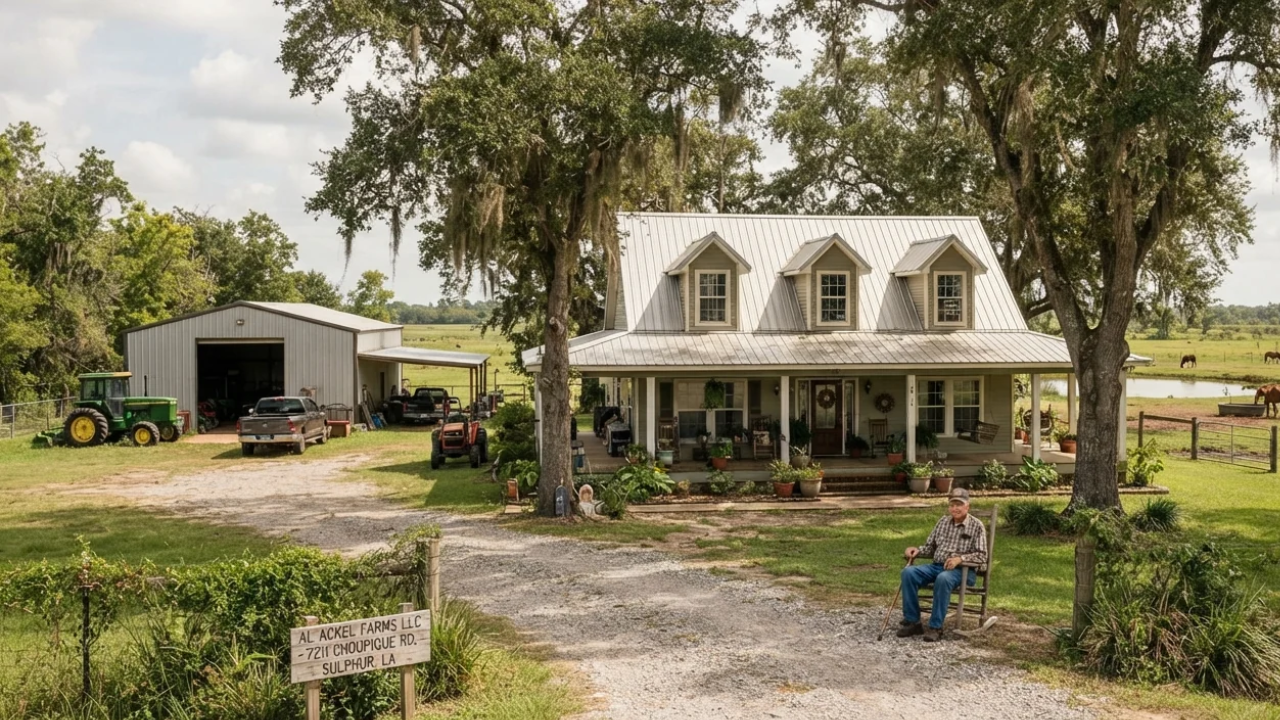
A Louisiana father gave his farm and home to his brother, while keeping the right to live there for the rest of his life. An appeals court ruled he did not unlawfully give away all his assets, turning down a challenge from three of his younger children after his death. The Louisiana Court of Appeal, Third Circuit, upheld the transfer of the property in Sulphur, Louisiana, finding the children failed to prove their father lacked enough resources to support himself when he made the gift in 2014.
The ruling came out on 25 November 2026 and involves the estate of Donald Michael Ackel Sr. He transferred the property to his brother, Alex Leo Ackel, also known as Dickie Ackel, while keeping a lifetime usufruct over it. A usufruct is a legal right to use someone else's property and enjoy its benefits. The legal fight focused on whether Donald gave away his entire estate without keeping enough property or income for basic living needs, which would go against Louisiana law.
In its decision, the Third Circuit agreed with the lower court that Donald kept living on the property as his home and that evidence showed he got Social Security benefits, so his children did not prove grounds to cancel the transfer.How the property transfer took placeAccording to the court's opinion, Donald signed an act of donation on 8 October 2014, transferring the immovable property at 7211 Choupique Road in Sulphur to his brother.
The deal made Dickie the property owner while Donald kept a lifetime usufruct, a legal right that let him keep using the property for the rest of his life. Dickie later transferred the property to Al Ackel Farms LLC on 26 January 2015, where Alex Ackel was the sole member and manager, and the company later gave Donald a lifetime right of use and habitation on 14 September 2016.
Under this setup, Donald could keep living at the property even after ownership moved to his brother and then to the company. The fight started after Donald died on 28 November 2023, leaving behind 12 children from three marriages. His three youngest children, Kelli Ackel, Joseph Lane Ackel, and Justin Ackel, challenged the transfer, with Justin's mother, Mary Katherine Stevens, filing the case for him because he was a minor.
The children argued the property gift cut down the inheritance set aside for them as forced heirs under Louisiana law. Forced heirs are close relatives who have a legal right to a share of an estate.Children challenged the inheritance arrangementsDonald signed a will on 22 June 2021, leaving his entire estate to his oldest son, Samuel Michael Ackel, and naming him independent executor.
Samuel filed to probate the will on 24 January 2024, with estate papers listing three bank accounts with a combined $8,109.11 as Donald's assets when he died. The younger children then filed a petition on 13 August 2024 to reopen the succession case and challenge the earlier property transfer. They asked the court to shrink what they called a too-large gift, bring certain gifts back into the estate through a legal step called collation, remove Samuel as executor, and accused people of fraud.
The children said the donated property was worth more than $500,000 and argued giving it to their uncle hurt their legally protected shares of the inheritance. Their main point used Article 1498 of the Louisiana Civil Code, which bars a person from giving away all their property without keeping enough to live on. The defendants pushed back against the challenge, arguing Donald got $400,000 in cash tied to the deal, kept the right to live on the property until he died, and had their property taxes, repairs, and upkeep covered for nearly 10 years.Trial court found he retained enough to live onThe case went to trial after both sides failed to win summary judgment in October 2025.
On 9 December 2025, the trial court dismissed the children's claims, ruling they did not show Donald lacked enough resources to live on when he transferred the property. The lower court looked at proof that Donald got Social Security benefits and kept a home through his lifetime usufruct. Even though the exact monthly benefit amount was not proven, the court found enough proof that he got regular payments, and the trial judge also noted the children did not show how much Donald needed for living costs when he made the gift.
In its written reasons, the trial court explained the usufruct gave Donald shelter while his Social Security money helped pay for other basic needs. The children appealed, arguing the trial judge wrongly set aside witness testimony and leaned on guesses from indirect clues. They also argued their father gave away the only valuable property he owned while having money troubles.Appeals court examined the $400,000 payment claimIn reviewing the case, the Third Circuit looked at Donald's money situation when he made the gift rather than focusing on what happened to his money in later years.
The court said Article 1498 required the children to prove their father did not keep enough property or resources to support himself. It also looked at the defendants' claim that Donald got $400,000 in cash after signing the transfer papers. Dickie testified the money was paid after the paperwork was signed and said the setup aimed to keep his brother from paying taxes on a property sale.
The court said that claimed payment could not show whether Donald kept enough resources when he made the gift. It noted the paper recorded an inter vivos donation, which means a gift made while the giver is still alive rather than a sale. The judges also said money supposedly paid after the deal was not part of Donald's money when he signed the gift, so the court did not use the claimed $400,000 payment to show he had enough money to live on.Lifetime right to remain in the home proved importantA big part of the appeal focused on the legal rights Donald kept after giving up ownership.
The Third Circuit explained a usufruct is a recognized property right that lets someone u…