One year since labour reforms introduced, only 3 states notify, enforce rules
Only three states — Gujarat, Uttar Pradesh and Bihar — have notified and implemented rules under all four labour codes, a year after the Centre brought the reforms into effect. The Centre has also notified and implemented its rules.Andhra Pradesh and Arunachal Pradesh, and the Union territories of Ladakh and Lakshadweep, have notified the rules but are yet to implement them. Chhattisgarh, Goa, Maharashtra, Mizoram, Punjab and Rajasthan have notified rules under only some of the codes, according to the latest state-wise status, said Mahesh Krishnamoorthy, MD of Coreintegra, a labour law compliance services provider listed on the National Stock Exchange.The four labour codes — on wages, industrial relations, social security, and occupational safety and working conditions — came into effect on November 21, 2025, replacing 29 central labour laws.ALSO READ | From pay to leave: How India’s new labour laws impact you | 7 key takeawaysA working paper by the National Council of Applied Economic Research (NCAER), published in April 2026, said the delay reflected differences in administrative processes, consultation mechanisms and policy priorities across states.
The paper, “Pathways to Jobs: A Review of India’s Labour Reforms”, said the effectiveness of the codes would depend on how states frame their rules, given differences in labour-market conditions, cost of living, institutional capacity and the size of businesses in their jurisdictions. Strengthening the capacity of state governments would be critical to avoid uneven implementation, it said.“The States took their own time to prepare the draft rules, and the same pace seems to continue for the implementation as well,” said Krishnamoorthy.
He said the delay was significant because the codes were intended to standardise definitions, applicability and compliance procedures that previously varied from state to state. Employers operating across states therefore continue to face different compliance requirements.At a regional conference in Goa on January 7, 2026, the Union labour ministry asked states to notify their rules after consulting their law departments, and to identify gaps and differences in the provisions they had framed.
The ministry also flagged the need to integrate state systems with the Centre’s Shram Suvidha and Samadhan portals, address overlaps between the codes and state Shops and Establishments Acts, and set up the boards, funds and other institutional mechanisms the codes envisage.ALSO READ | 1998 murder: 3-year-jail to former Rajya Sabha MP, 2 othersThe codes seek to consolidate labour regulations and expand social security coverage, particularly for workers in the unorganised sector.
They also change how wages are calculated for statutory benefits. Under the revised definition, basic pay, dearness allowance and retaining allowance must make up at least 50% of an employee’s remuneration for statutory calculations. This can increase employers’ provident fund and gratuity liabilities, while reducing take-home pay for employees whose salary structures are adjusted.Krishnamoorthy said that because the codes focus on labour welfare and social security, the deductions would come largely from workers’ pay.
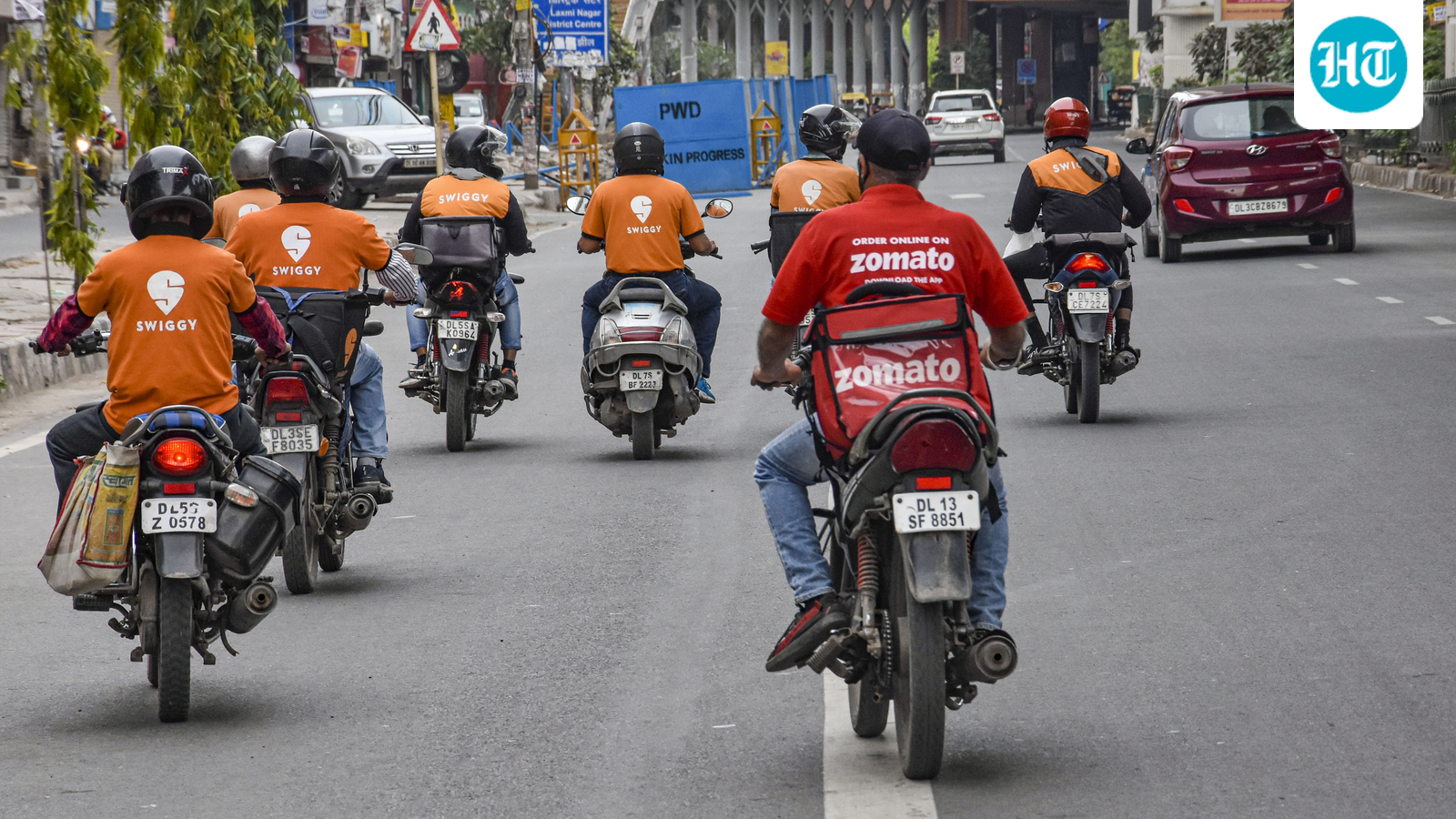
Employees might initially see lower take-home salaries, but higher social security benefits could help them in the long term, he said.The Social Security Code also formally recognises gig and platform workers and provides for contributions from aggregators towards their social security. The extent of benefits available to these workers, however, will depend on how the schemes and contribution mechanisms are operationalised.ALSO READ | Ankita Bhandari case: Ex-MLA to undergo narco test in GujaratThe Industrial Relations Code has drawn criticism from employee organisations over provisions on retrenchment and trade union recognition.
Dr Manjeet Singh Patel, national president of the All India NPS Employees Federation, said raising the threshold for prior government approval for layoffs, retrenchment and closure from 100 to 300 workers could weaken workers’ ability to challenge employers’ decisions. He argued that a large number of establishments employ fewer than 300 workers and would fall outside the requirement, making it easier for employers to dismiss workers and weakening collective bargaining.Patel questioned the requirement that a trade union have the support of at least 51% of workers to be recognised as the sole negotiating union.
If no union meets this threshold, the code provides for a negotiating council, with representation for unions that have at least 20% support. Securing the required majority could be difficult in establishments with multiple unions, he said, and a negotiating council might not have the same bargaining strength as a recognised union.He said states with higher existing minimum wage rates could find it difficult to align them with the national framework, and states with weaker revenue bases could struggle to implement the provisions fully.The government should have held wider consultations with major trade union organisations before bringing the codes into force, he added.Krishnamoorthy said the codes would not directly improve job security, but would bring greater clarity on working conditions and extend social security coverage, especially among unorganised workers.
“The new labour codes are definitely a major step towards transforming, simplifying and digitalising workforce regulations, but implementation could be expedited,” he said.