Cambridge Dictionary picks ‘human' as word of the year 2026, Bill Gates responds
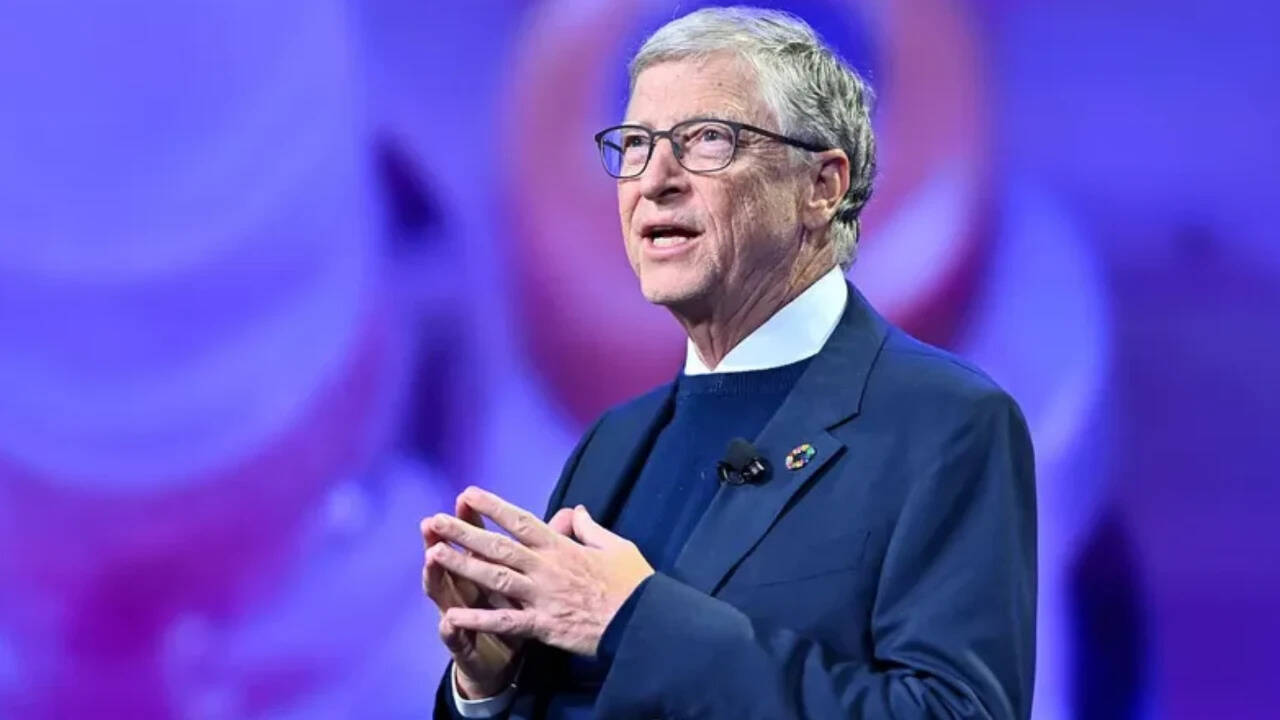
Cambridge University recently named ‘human’ as the Word of the Year 2026, a choice that caught the attention of Microsoft founder Bill Gates. Reacting to the Cambridge University announcement, Bill Gates said he believes AI has the potential to cure diseases, improve education and give people more time for what matters most. However, he also stressed the need to make deliberate choices about how AI fits into our lives and where humans should remain at the centre.
“Cambridge Dictionary just picked “human” as its Word of the Year. The measure of AI’s success should be how much it improves lives, so I can’t think of a better choice for this moment,” Gates wrote in an X post.“I believe AI has the potential to cure diseases, improve education, and give people more time to spend on the things that matter most. But we need to make deliberate choices about how it fits into our lives, including where we want people to remain at the center,” he further stated.Why Cambridge Dictionary named ‘human’ as word of the year 2026Explaining its selection, it said:“The year was defined by global debates on what it means to be human when AI is blurring the boundaries between people and machines.In 2016, many public figures defended humans and humanity in the age of AI.
Bill Gates made the case for “human reserved jobs”, such as caregivers, that should never be taken by machines, in a widely read essay.Throughout history, the adjective human has signified people, as opposed to animals and gods (and, more recently, machines). Increasingly seen in compounds such as human-written, human-generated, and human-made, it now also denotes that something is created by or typical of people as opposed to AI.It’s possible that this shift is simply a natural linguistic development, reflecting the ubiquity of AI, but it could be evidence of something more interesting: a turning point in our attitude towards artificial intelligence.When we look back on 2026 in years to come, it might prove to have been a pivotal moment in the story of human versus machine.
In May of this year, the University of California, San Diego, published a landmark study which for the first time revealed empirical evidence for artificial intelligence systems passing the Turing Test. In 73 percent of cases, after a 15-minute text conversation, GPT-4.5 was judged to be ‘human’.We have now reached a point where AI can produce writing, art, and music that can pass for human-made content.
Some people are even questioning whether AI has achieved sentience. This gives rise to some profound existential questions. What are the implications for humanity? What does it even mean to be human in the age of AI?"Fearless legend or grounded realist? Rate yourself on 11 categories in the Great Indian Confidence Survey – find out in 3–6 min