50% uniform seats increase, delimitation on 2011 census: What govt's new Bill proposes
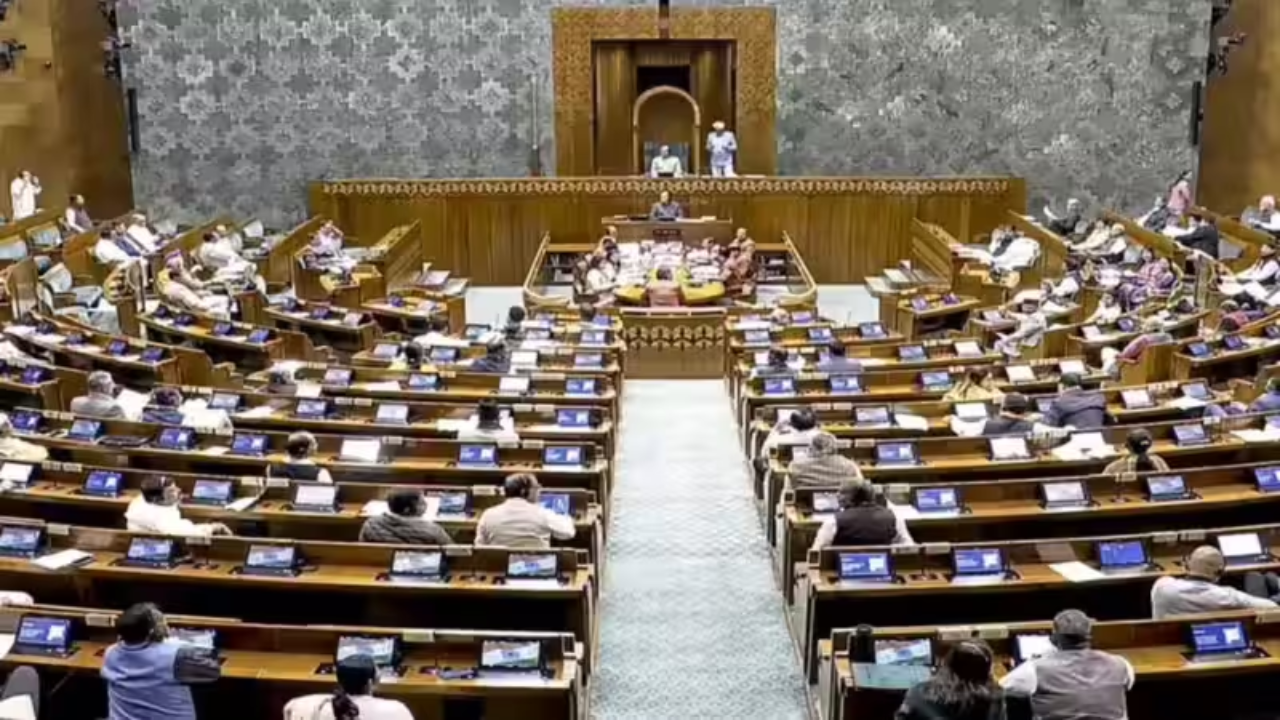
NEW DELHI: Days before the special parliamentary session, the government has moved to withdraw the Delimitation Bill, 2026, introduced in the Lok Sabha in April. The Centre has replaced it with a revised version that provides for a 50 per cent increase in the number of seats in Parliament and state and Union Territory assemblies, while seeking to give effect to women's reservation.The reasons for withdrawing the original legislation were outlined in a statement signed by minister of state for law and justice (independent charge) Arjun Ram Meghwal on November 27.The proposed replacement, titled the Delimitation (Second) Bill, 2026, makes substantial changes to the original legislation, particularly regarding the constitution of the Delimitation Commission, the use of Census figures, the allocation of seats reserved for women and the expansion of legislative representation.The original Delimitation Bill was introduced in the Lok Sabha on April 16, 2026, along with the Constitution (One Hundred and Thirty-first Amendment) Bill, 2026, and the Union Territories Laws (Amendment) Bill, 2026.The three Bills were brought in to facilitate the setting up of a Delimitation Commission to readjust the allocation of seats in the Lok Sabha and state and Union Territory Assemblies and redraw constituency boundaries.However, the Constitution Amendment Bill failed to secure the special majority required under Article 368 of the Constitution when it was put to consideration on April 17.
Consequently, the two related Bills were not taken up further and the original Delimitation Bill remained pending in the Lok Sabha.What changes in the revised BillThe revised legislation expands the scope of delimitation to include provisions for implementing women's reservation in the Lok Sabha and state and Union Territory assemblies.It also requires the Centre to constitute the Delimitation Commission as soon as possible after the proposed legislation comes into force, instead of setting it up "from time to time", as provided in the original Bill.Another significant change is the use of "latest census figures", defined as the most recent Census figures published on the date the proposed legislation comes into force.
This means the 2011 Census would be used if no newer Census figures are published before the legislation takes effect. The Commission will use these figures to readjust seat allocation and redraw territorial constituencies.50 per cent uniform increase in seatsThe revised legislation also provides that seats reserved for women will be allotted through rotation in a manner decided by the Delimitation Commission.
It further proposes a 50 per cent increase in the number of seats allocated to each state and Union Territory in the Lok Sabha and the total number of seats in their respective legislative assemblies during the first delimitation exercise after the proposed Constitution (One Hundred and Thirty-second Amendment) Act, 2026, comes into force.The Bill adds that the quota would run for 15 years from the commencement of the 2023 amendment, with Parliament empowered to extend it by law, according to news agency PTI.The government has said the uniform increase would enhance overall representation while maintaining the existing relative distribution of seats among states.The government has proposed withdrawing the original Bill under clause (b) of Rule 110 of the Rules of Procedure and Conduct of Business in the Lok Sabha, as the revised legislation substantially alters its provisions.27-Nov-delimitationGet the latest India News and Live updates.
Download the TOI app.