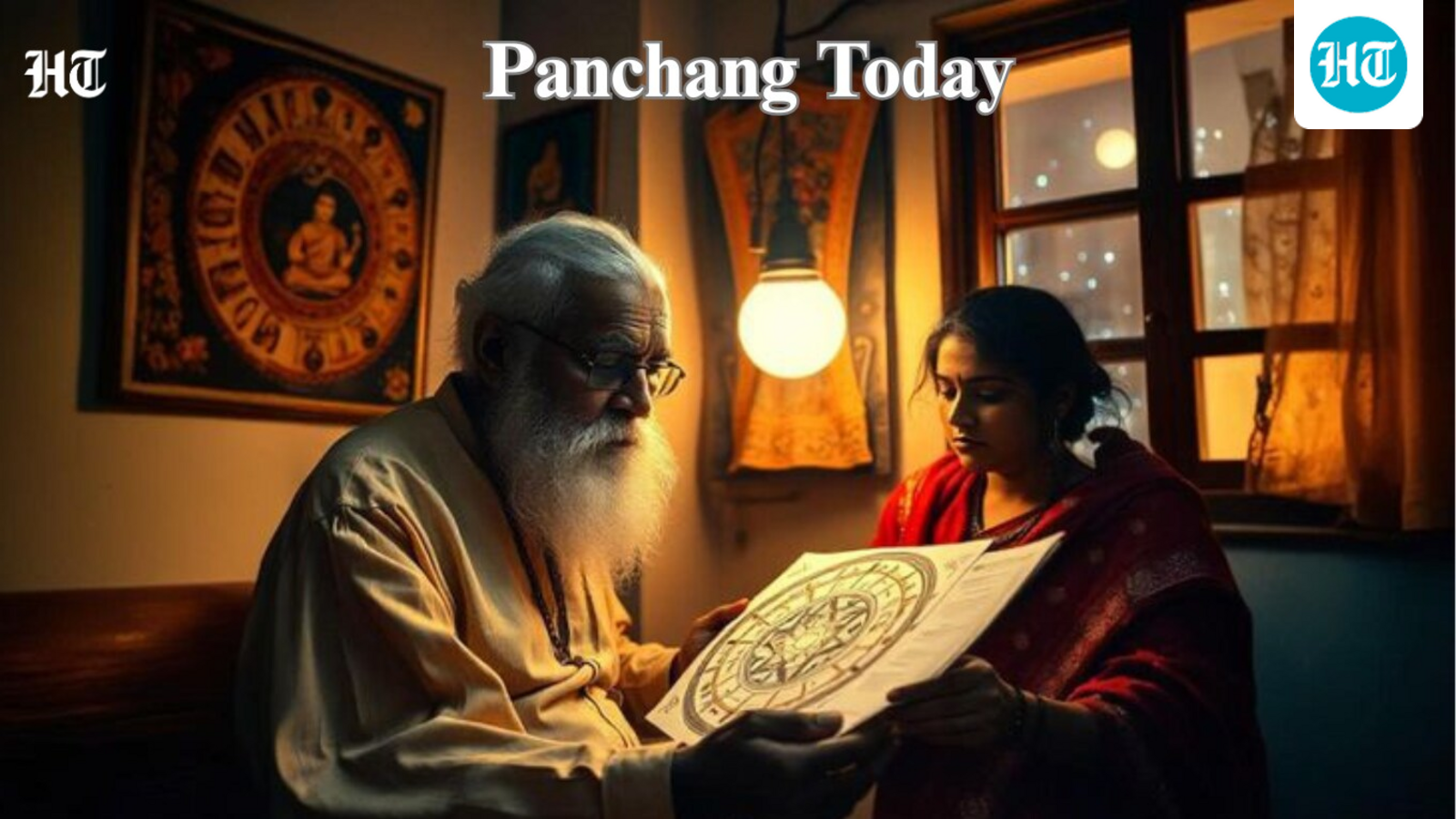
Panchang Today, October 29, 2026: Krishna Chaturthi under Rohini Nakshatra
In traditional Panchang interpretation, October 29, 2026, offers a framework for measured planning, patient communication and considered choices, with readers in New Delhi encouraged to balance preferred timings with preparation, practical responsibilities and clear judgement. How to use it: Prefer this period for important work, a submission or a considered decision. Avoid new beginnings during Rahu Kaal.
What Today's Panchang MeansIn traditional Panchang interpretation, Guruvar, Krishna Chaturthi, Rohini and the Moon sign sequence from Taurus to Gemini can be read together as a prompt to balance steadiness with adaptability. This is a traditional framework for organising attention, not a prediction of how the day will unfold. For daily purposes, a measured approach may be more useful than trying to attach a separate instruction to every Panchang entry.Krishna Chaturthi is followed by Krishna Panchami, while Rohini is followed by Mrigashira.
Readers can acknowledge this changing combination without assuming that every change requires a different plan. Likewise, the Moon sign sequence need not become a reason to abandon a sensible commitment or reinterpret an ordinary conversation.Those who follow Panchang guidance may use the combined reading to review priorities, keep expectations proportionate and allow room for questions.
The practical emphasis is on doing familiar things carefully while remaining willing to revise details. For readers in New Delhi, the day's Panchang is best used alongside actual deadlines, available information and the needs of other people.How to Use the DayWork and important decisionsThose who follow Panchang timings may use the day as a reminder to distinguish preparation from commitment.
Before sending an important document, check the figures, confirm the recipient and make sure any approval is in place. A preferred period is more useful when the work itself is ready.For planning, separate what must be completed today from what still needs discussion. Keep decisions proportionate to the information available, especially where colleagues or clients are involved.
If a proposal remains unclear, asking one precise question may be better than pressing for an immediate answer. Traditional timing guidance can inform the schedule, but it should not replace professional judgement, contractual requirements or a genuine deadline.Relationships and communicationIn traditional Panchang interpretation, a practical way to apply the day's guidance is to give conversations enough time and avoid treating first impressions as settled conclusions.
State what you need plainly, then leave space for the other person to respond.At home, discuss arrangements before assuming that everyone shares the same plan. With friends or colleagues, check whether a brief message needs clarification rather than reading more into it. Those who follow Panchang may prefer a considered moment for a sensitive discussion, but mutual availability matters more than forcing a conversation into a chosen slot.
Patience here means listening carefully, not postponing a necessary exchange indefinitely.Reflection and spiritual routineThose who follow Panchang guidance may use reflection to bring the day back to manageable questions: what needs attention, what can wait and what deserves a more thoughtful response? A familiar spiritual routine can remain simple, without adding practices merely because a new set of Panchang entries appears.Allow a little space to review an unfinished task or an unresolved conversation without demanding an immediate conclusion.
If the day is busy, a brief, attentive pause may be more practical than an ambitious plan that cannot be maintained. Treat this as an opportunity for perspective, not as a test of devotion or a promise of a particular result. Those who follow Panchang timings may give particular attention to Abhijit Muhurta, from 11:42 am to 12:27 pm, for important work, a submission or a considered decision.
Use the period as a scheduling preference rather than an assurance that an action will succeed.Prepare beforehand so that the chosen task is ready: check the final version, gather the necessary information and confirm that anyone involved is available. If a decision depends on an unanswered question, the timing is not a reason to skip that question. A useful approach is to select one clear priority rather than crowd several commitments into the window.
Where work schedules or other responsibilities make this period impractical, proceed with sound preparation and realistic expectations instead of creating unnecessary pressure. Those who follow Panchang timings may treat Rahu Kaal, from 1:28 pm to 2:51 pm, as a period for greater caution when scheduling a discretionary new beginning or an important commitment. This traditional caution does not mean that ordinary activity must stop or that an unfavorable outcome is inevitable.Where there is flexibility, use the interval to review material, organize pending work or clarify details before committing.
Where there is no flexibility, attend to the task responsibly rather than becoming anxious about the clock. Essential duties, existing appointments and genuine deadlines still need practical handling. The purpose of consulting the period is to support a considered schedule, not to create fear or encourage repeated postponement. Careful reading, clear consent and adequate preparation remain relevant regardless of when a task takes place.
Traditional Panchang guidance is most useful when it helps you organise the day without making it rigid. Choose a manageable priority, prepare well and communicate clearly. Use the highlighted window if convenient, respect your practical obligations and leave room to reconsider details when better information becomes available.This article presents traditional Panchang guidance for general information.
Timings vary by location.Dr. Achary Kalki Krishnan(Vastu consultant, Vedic astrologer, Researcher,…