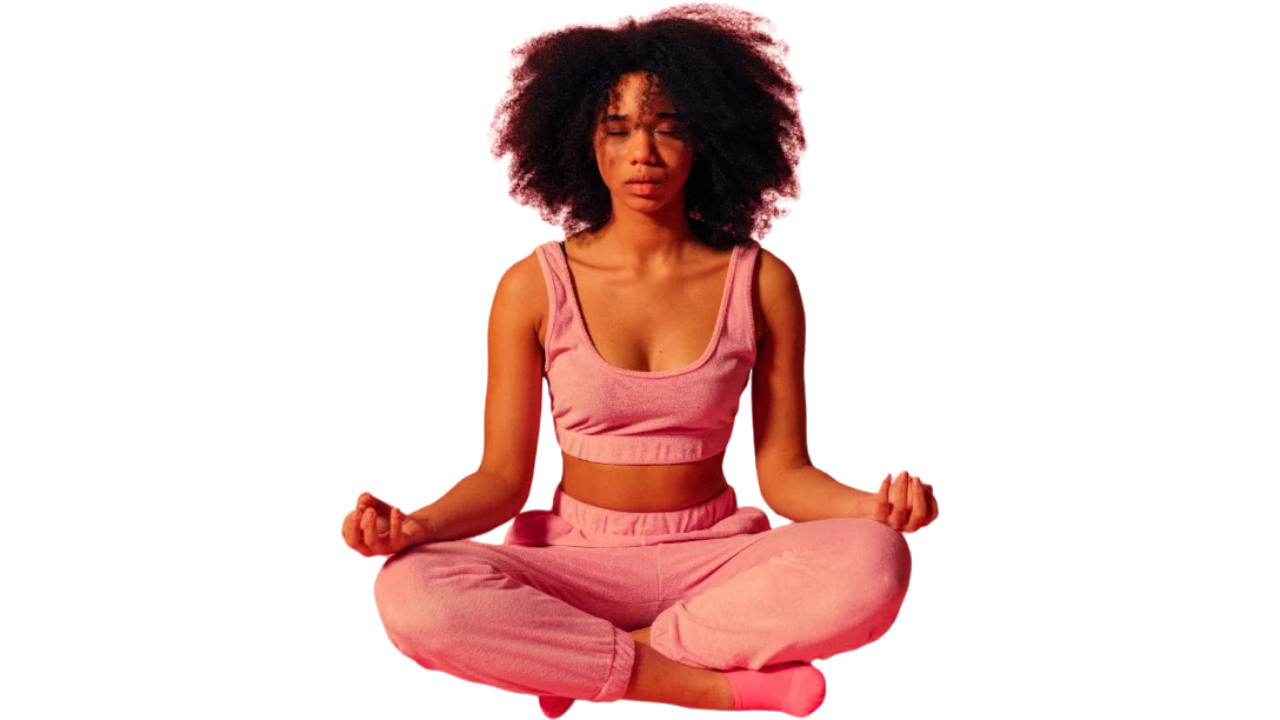
Muscle relaxation may match meditation for pain and social wellbeing: Study
Meditation often appears in conversations about emotional well-being, stress management and the ability to cope with physical discomfort. While some practices encourage people to focus on their breathing, others ask them to develop feelings of kindness, compassion and connection towards themselves and those around them. However, does a meditation focused on kindness necessarily offer greater benefits than a simple relaxation exercise?A 2026 study published in PLOS One, titled Assessing the effect of Loving-Kindness Meditation on pain and social well-being using a randomised controlled trial design, examined this question through a four-week experiment involving 69 adults.
Researchers compared Loving-Kindness Meditation (LKM) with Progressive Muscle Relaxation (PMR) to understand whether either practice could improve social well-being and reduce physical pain.The findings challenged the researchers' original expectations, as participants practising progressive muscle relaxation reported greater improvements in perceived social support than those practising loving-kindness meditation.
Neither practice significantly reduced subjective pain or improved pain tolerance, raising an interesting question about what relaxation-based exercises can actually offer.What did the researchers discover about meditation and social support?The research team recruited 75 healthy adults between 18 and 55 years, although 69 participants completed the study and contributed to the final analyses.
The researchers randomly assigned participants to two groups, with one practising loving-kindness meditation and the other following progressive muscle relaxation.Both groups completed six guided sessions every week for four weeks, with each session lasting approximately 15 minutes. This meant participants completed 24 sessions, amounting to six hours of meditation or relaxation practice throughout the experiment.Loving kindness meditation encouraged participants to develop feelings of kindness towards themselves before gradually extending those feelings towards other people.
The guided sessions moved through different relationships, including friends, strangers, difficult individuals and eventually larger groups of people.Progressive Muscle Relaxation followed a different approach, encouraging participants to focus on different muscle groups throughout their bodies. The exercises guided them through their hands, arms, face, shoulders, abdomen, legs and feet before introducing whole-body relaxation.The researchers initially expected loving-kindness meditation to produce stronger improvements in social support because the practice specifically encourages compassion and positive feelings towards others.
However, the results showed that participants practising Progressive Muscle Relaxation reported significantly greater improvements in perceived social support.How did muscle relaxation show stronger results than loving-kindness meditation?Social support refers to a person's perception that someone can provide emotional encouragement, companionship or practical assistance when necessary.
Researchers measured this experience using a questionnaire that examined whether participants felt they had people available for advice, company and everyday help.Interestingly, the Progressive Muscle Relaxation group showed a greater improvement in perceived social support than the Loving-Kindness Meditation group. The researchers reported a statistically significant difference between the groups, with a probability value of p =.028.The study also examined loneliness, anxiety and emotional isolation to understand whether either practice produced broader improvements in psychological well-being.
Participants reported lower loneliness scores at the end of the experiment, although the reduction appeared somewhat greater among those practising progressive muscle relaxation.Anxiety also decreased across participants between the initial assessment and the final assessment, regardless of which meditation programme they followed. However, the researchers did not identify a statistically significant difference between the two groups in anxiety reduction.The findings suggest that a relaxation exercise focused on physical tension may offer psychological benefits beyond its immediate purpose.
Nevertheless, the researchers could not establish why Progressive Muscle Relaxation produced stronger improvements in perceived social support.Did either meditation practice help participants manage physical pain?The researchers also investigated whether meditation could change how people experience physical discomfort, particularly when they encounter an uncomfortable physical activity.
Previous research had suggested that positive social connections could influence pain perception through psychological and biological processes.To examine this possibility, researchers used a wall sit test, which required participants to maintain a seated position against a wall without using a chair. Participants continued holding the position until they experienced discomfort or could no longer tolerate the physical strain.The researchers recorded how long participants maintained the position and when they first reported experiencing pain.
They also asked participants to rate their discomfort on a scale ranging from zero, indicating no pain, to 100, representing the worst imaginable pain.Interestingly, neither meditation practice significantly improved pain tolerance or reduced participants' subjective pain ratings over the four-week experiment. Although participants increased their wall sit duration by approximately 8.5 seconds between assessments, researchers found no significant difference between the two meditation groups.This distinction matters because completing a physical activity for longer does not necessarily mean someone experiences less pain.
The findings therefore do not establish that either meditation technique can reliably improve pain management among otherwi…