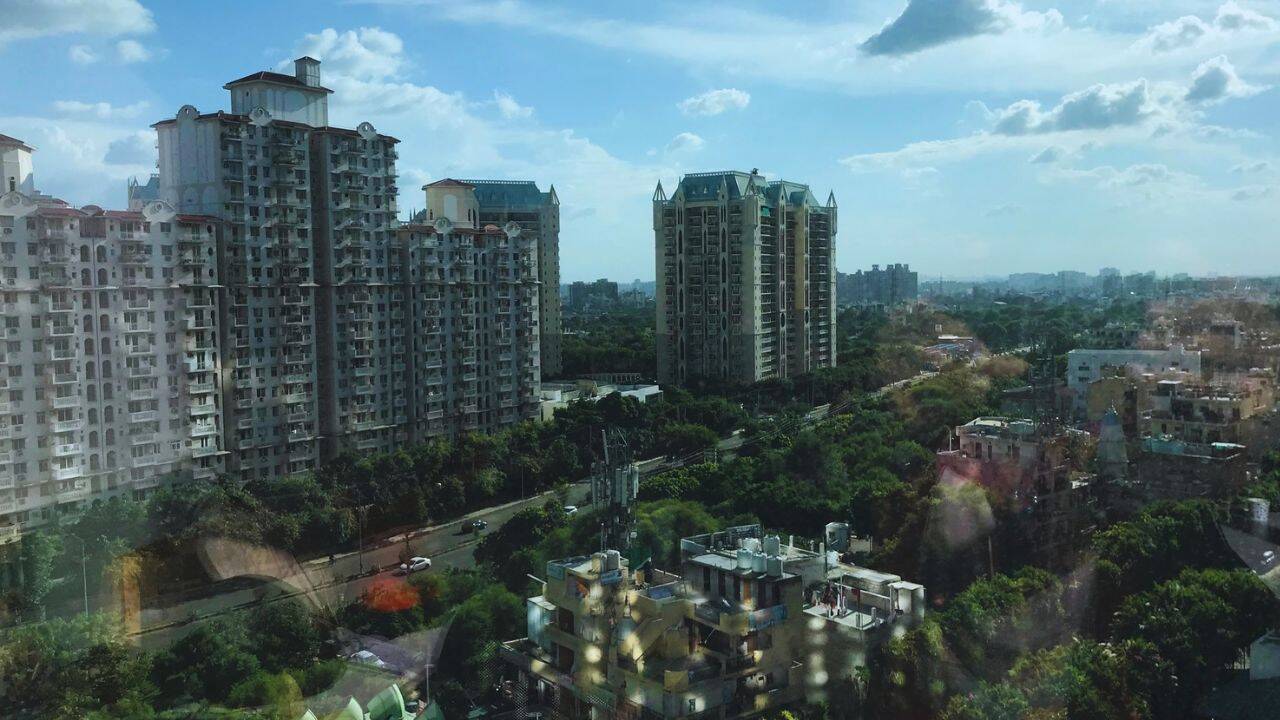
Over-55 buyers rethink retirement, eye Gurugram's Sector 63 for winters
For decades, retirement in India had followed a fairly predictable pattern: people either stayed in their family homes or moved closer to their children after stepping away from active work. But that perception is starting to change, especially among wealthy Indians who are approaching or have crossed 55. The question is not only where they will retire, but what kind of life they want to lead in the years ahead.This shift is creating a new opportunity in India’s premium residential market, with Gurugram emerging as an important destination for organised senior living.
The newer developments are marketed around independence, convenience, access to healthcare and an active social life, unlike traditional retirement facilities. Buyers want thoughtfully designed homes, barrier-free spaces, wellness amenities, housekeeping support and communities where they can stay socially connected without giving up the comforts of a high-end lifestyle.The entry of big real estate developers in this segment is adding momentum.
One such example is DLF’s launch of The Aureva in Gurugram’s Sector 63, which is its first dedicated senior-living project. The development has reportedly clocked sales of around ₹1,985 crore with an average ticket size of around ₹11.5 crore which shows the buying power of this emerging buyer category.The interest is also coming amid changing urban realities. Some older residents and families are rethinking where they spend the colder months, as the NCR’s winter pollution has become a regular feature.
Access to hospitals, more planned residential surroundings, green spaces and connectivity are increasingly part of these conversations.It is too early to say if micro markets like Sector 63 will become winter addresses of choice for older homebuyers, but the trend is worth watching. Retirement accommodation is slowly shedding the stereotype of a premium residential option for those who want to stay independent, comfortable and connected as they age.The broader numbers support the attention this corridor is receiving.
According to Cushman & Wakefield, in the third quarter of 2026, Gurugram accounted for 77% of all new residential launches in Delhi-NCR, with Golf Course Extension alone contributing 21% of the quarter’s supply, the second-highest submarket after New Gurgaon. Gurugram also drove 78% of luxury-segment launches in the same period, and the luxury category itself saw a 71% jump from the previous quarter.
Weighted launch prices in the high-end and luxury segments rose 24% and 21% year-on-year respectively, while Gurugram’s luxury rentals recorded the highest annual growth in NCR at 4%.Across Delhi-NCR, the same pattern is becoming clearer. Gurugram has emerged as the main market for organised senior living because of its mix of healthcare access, airport connectivity and a large base of affluent households.
Demand is coming both from local families and from NRIs buying for parents, while several developers have entered the segment in the last 12–18 months. Average ticket sizes have stayed high, and consultants say the category still has low penetration relative to the number of households with members above 60."We are witnessing more buyers over 55, choosing a home based on the life it offers.
They want green space nearby, good hospitals, a community around them and easy access to the rest of the city. Most of them want to stay active and independent, and they don't want to give up the comforts they're used to. That's why areas like Sector 63 on Golf Course Extension Road are drawing attention. It's close to the Aravallis, the infrastructure is improving, and the social amenities are already in place," says Aakash Ohri, Managing Director & Chief Business Officer, DLF Home Developers.At the core, these senior living formats are anchored around health, wellness and holistic well being.
Such developments are supported by on call and in house medical assistance, 24/7 ambulance availability, and senior centric design elements including barrier free walkways, supported corridors, accessible washrooms, anti slip flooring, and appropriately planned fitness and common spaces. A strong focus is also placed on fostering a sense of community, enabling social interaction, reducing isolation, and creating environments where seniors feel secure, engaged and at home.Shalin Raina, Managing Director, Residential Services, Cushman & Wakefield, says, " A small but growing set of developers is addressing senior living requirements through dedicated projects or by earmarking portions within larger residential developments.
These homes are primarily designed for end use, with a clear emphasis on ease of living. In parallel, some established players are adopting an asset light approach by leasing residential buildings and retrofitting them with age appropriate designs, specialised fit outs and curated amenities, supported by integrated services such as housekeeping, laundry and in house dining for a hassle free living experience."Not a pollution free zone thoughIt is obvious that Sector 63 is not being marketed as a pollution-free residential destination and it would be misleading to suggest that the area is insulated from Gurugram’s wider air-quality problems.
Golf Course Extension Road continues to be troubled with road-dust pollution especially during construction activity, heavy traffic and dry weather. The city is also still struggling with extended spells of bad air- especially during the winter months, when the pollution levels remain high for weeks at a time.What does seem to be changing, however, is how some senior homebuyers and their families are assessing residential sites.
They are beginning to look more closely at individual sectors, neighbourhoods and stretches rather than treating Golf Course Extension Road as a continuous residential corridor. But people who track such preferences say the conversation increasingly is about finding relatively better local surroundings in a city that co…