Rubio hails New Delhi as 'powerful, influential', says India-US ties will help shape 21st century
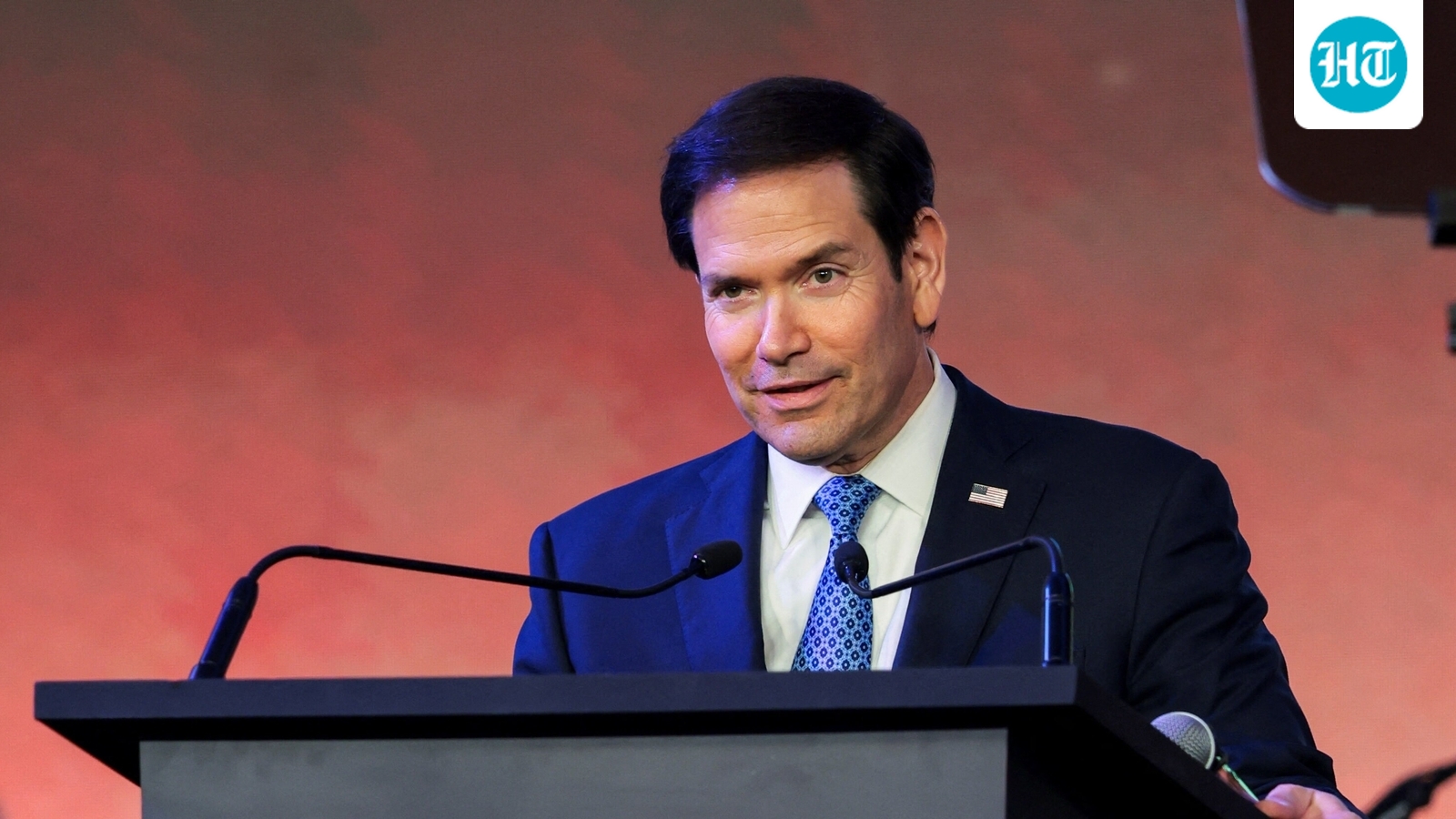
US Secretary of State Marco Rubio on Tuesday hailed India as a "powerful, influential" nation, and said that India-US ties will define the 21st century. Rubio is on a three-day visit to India to hold talks over trade and energy ties among other issues of bilateral interest.The US Secretary of State arrived in India for the second time in less than five months. Speaking at the ‘Freedom 250 Reception’ in Mumbai, Rubio said, “It is a great honour to be back here today.
At the press conference today, somebody asked a question, why are you back in India after just four months? And I said, well, number one, it happens to be the most populous nation on Earth. It happens to be the oldest democracy on Earth. It happens to be such a strong geopolitical partner.”The meeting took place amid lingering tensions between the two countries over several issues, including the Trump administration’s trade policies, immigration restrictions, and Washington’s growing engagement with Pakistan’s military leadership.India-US ties defining for 21st century: RubioRubio said he believes the relationship between the US and India will define what 21st century can look like.
“If you think about the story and the history of the 21st century, it's being written in this region. And it's being written right now. One day someone will write a book about the history of the 21st century. And there will be a chapter in there about other regions in the world. But the 21st century will be defined for better and for worse by what happens in this region. We know that,” he said.
"I truly believe the relationship between the United States and India is defining in many ways, in a positive way, what the 21st century can look like. Now, just to prove to you that those are not idle words."He added that the alignment between India and the United States is particularly important given their size and global influence. Rubio said that when the two countries work together on issues that will define the 21st century, they have an opportunity to shape its history.Alignment between US-India extraordinary: RubioRubio backed his assertion citing the growing alignment between the two large countries.
“But when you're talking about a country that's approximating 1.5 billion people, and the largest economy in the world in the United States, when two powers like that can be aligned on these issues that are going to define the 21st century, then we have an opportunity together to write those pages in the history of the 21st century,” he said.Speaking about geopolitics, Rubio cited the need to have a "free and open" Indo-Pacific where no nation can claim dominance or ownership on international shipping as among the core issues of alignment.“And in particular for the United States and India, a free and secure Indo-Pacific.
On that, one in which no nation can claim dominance or ownership of international shipping lanes. On that issue, we are 100% and perfectly aligned.”He acknowledged that disagreements between nations are inevitable, stressing that what matters is a shared understanding on core issues. Citing India, Rubio said the alignment between New Delhi and Washington on issues central to their respective national interests is “extraordinary.”"I could go on and on, but the point is, of course, no two nations on earth will ever be perfectly aligned on every issue.
And of course, there will be times and points of disagreement. But on the core issues that matter, the core issues that define the national interest of both India and the United States, the alignment between our countries is extraordinary."We don't come enough: RubioSharing his interaction with a reporter earlier during a press conference, who asked Rubio why he was back in India just four months after his previous visit, Rubio quipped that he does not visit the country as often as he should, drawing a laughter.“And I'm glad to be back.
I said earlier today we had this press conference. We had members of the media there, obviously. And they were asking, somebody asked a question, why are you back in India after just four months? I actually think we don't come enough. I actually think we don't come enough. And it's not just for the parties," he said.