Low-GI rice varieties and cooking tips to cut blood sugar spikes
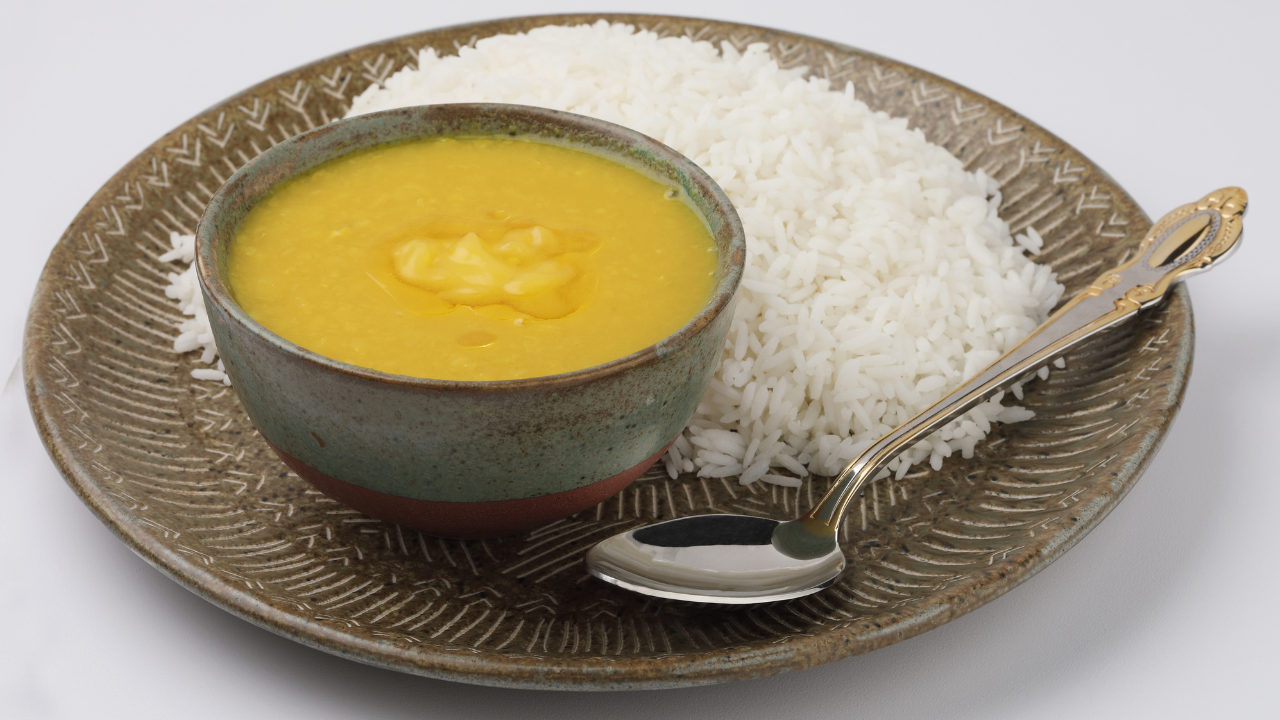
Who doesn’t like a bowl of rice and their favourite dal? That warm comforting bowl is the ultimate comfort food. But for people living with diabetes or insulin resistance, comfort can come with hefty consequences.White rice is rich in starch that the body can digest relatively quickly. Eating a large portion, particularly alongside a meal low in fibre and protein, can cause blood glucose levels to rise rapidly.
A systematic review of rice varieties and cooking methods found that rice has a glycaemic index (GI) ranging from 48 to 93, depending on its variety, starch composition, processing and preparation. But, that does not mean giving up your favourite food. With little changes, your bowl of rice can give comfort to you without causing your glucose monitor stress.Please note the findings here are based on scientific research and evidence available online, and not by any independent research.
Each person’s reaction may differ, and this should not be taken as medical advice. Please consult your doctor before making major changes.How much can rice and dal spike glucose?In an experiment shared by fitness and nutrition creator Rohan Sehgal, he found that a typical Indian meal of 200 g freshly cooked white rice, 200 g arhar dal and 100 g aloo gobhi produced a glucose rise of approximately 36 mg/dL over three hours.Dal and vegetables contribute protein, fibre and other nutrients, but the amount of rice on the plate still matters.
Research suggests that what accompanies rice can also influence the body's glucose response. In a randomised crossover trial involving healthy adults, combining white rice with chicken, oil and vegetables produced a lower glycaemic response than eating rice alone. The takeaway is not to eliminate rice, but to pay attention to the composition of the entire meal.The best way to cook rice: cool it firstOne simple method worth trying is to cook rice, refrigerate it and reheat it before eating.
Cooling cooked rice encourages starch retrogradation, a process in which some of its digestible starch reorganises into resistant starch. This starch is not fully digested in the small intestine, so it can reduce the amount of glucose released during digestion.A randomised crossover study of 15 healthy adults found that white rice cooled at 4°C for 24 hours and then reheated contained 1.65 g of resistant starch per 100 g, compared with 0.64 g in freshly cooked rice.
The cooled-and-reheated rice also produced a significantly lower glycaemic response.Sehgal's CGM experiment showed a similar pattern: overnight-cooled rice produced a rise of approximately 18 mg/dL over two and a half hours, compared with 36 mg/dL after a freshly cooked rice meal. This is an interesting personal observation, but it does not establish that cooling rice will halve everyone's glucose response.
The controlled study supports the underlying mechanism, although its small sample of healthy adults limits how broadly the result can be applied.There is also a food-safety consideration. Cooked rice can contain Bacillus cereus spores that survive cooking. The UK government's food safety guidance recommends cooling rice quickly, ideally within an hour, refrigerating it promptly and reheating it until steaming hot.
Refrigerated rice should be reheated only once. Do not leave a pot of rice sitting at room temperature overnight.Which rice varieties produce a lower glucose response?Brown riceBrown rice retains its bran layer, giving it more fibre than polished white rice. This can affect how quickly its starch is digested. In a systematic review of rice characteristics and glycaemic responses, brown rice generally produced lower glucose and insulin responses than white rice when both were cooked for the same length of time.
However, the difference became smaller and less consistent when brown rice was cooked for longer.Another systematic review and meta-analysis published in 2022 found that higher white-rice intake was associated with a higher risk of type 2 diabetes, while brown-rice intake was associated with a lower risk. These findings do not mean brown rice guarantees better glucose control, but it can be a useful alternative.Black and red riceBlack and red rice contain pigments and other plant compounds, alongside varying amounts of fibre.
A study in the Philippines in 2026 comparing pigmented rice varieties reported a GI of 49 for black rice, 69 for red rice and 71 for white rice. However, these values apply to the varieties and preparation methods tested, not every packet of black or red rice available in the market.Rohan Sehgal’s own experiments showed a glucose rise of about 37 mg/dL over three hours with black rice and about 36 mg/dL with red rice.
These readings were like his fresh white-rice meal, demonstrating why one CGM experiment cannot produce a universal ranking. Colorful rice can be a nutritious and filling meal, but keep in mind the size of your portion and how you cook it.SamakBarnyard millet or Samak is another option if you like variety. Sehgal saw his glucose rise about 27 mg/dL over three hours after eating it.
This is consistent with broader research, with a systematic review and meta-analysis of millets in 2021 reporting an average GI of 52.7 for the millets studied, compared to 71.7 for milled rice. Barnyard millet was among the varieties with a low average GI.Millets are not automatically low-GI in every preparation, however. Processing, cooking and the rest of the meal can affect the response.What about ghee and packaged low-GI rice?Adding ghee to rice may make it richer, but it should not be treated as a reliable way to lower blood sugar.
In Sehgal's experiment, rice cooked with ghee produced a rise of around 36 mg/dL over two and a half hours, similar to the fresh white-rice meal. Ghee also adds calories, so using more of it is not necessarily beneficial.Packaged low-GI rice deserves similar scrutiny. The product Sehgal tested produced a rise of approximately 38 mg/dL over two and a half …