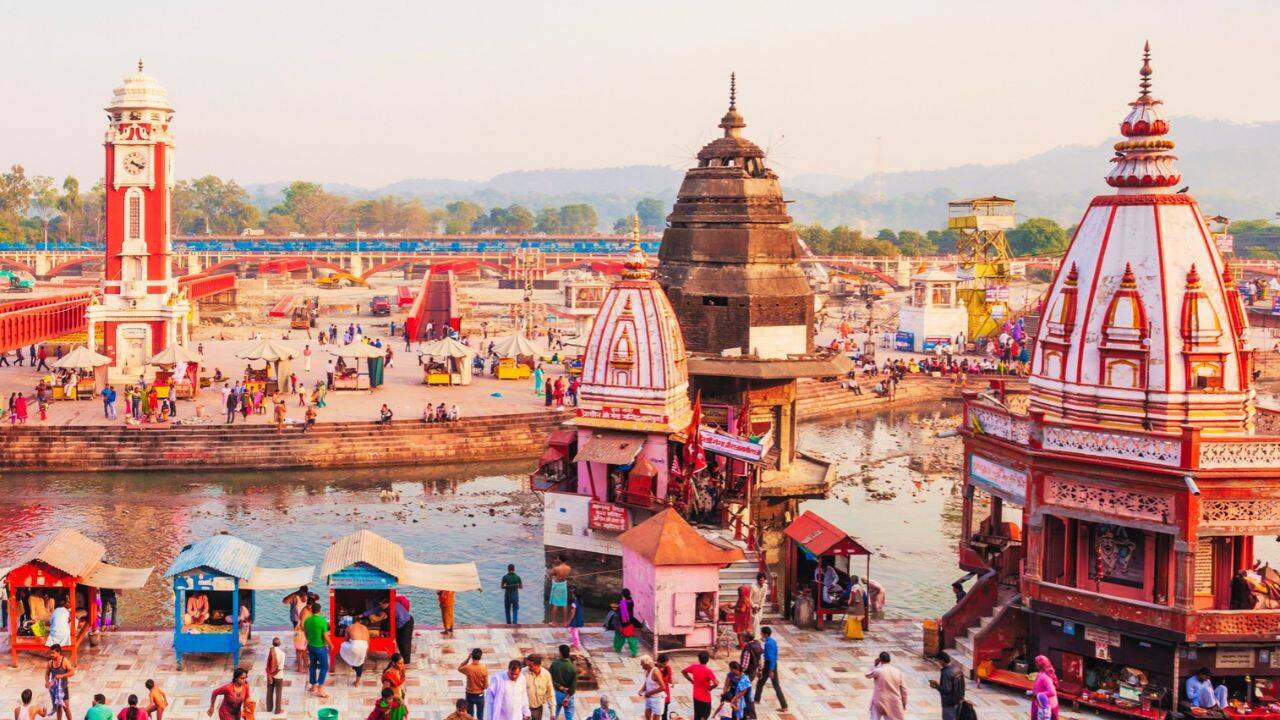
India's spiritual cities emerge as new hotspots for second-home buyers
The idea of buying a home away from one's primary city was quite simple few years ago. People either went to the hills or headed for the coast. A second home was usually about a holiday. That is no longer the limited use case.Over the last few years, a different kind of interest building up. People are looking at cities they may have known all their lives, but never seriously considered as places to own a home.
Ayodhya, Varanasi, Ujjain, Nashik, Tirupati and Puri are among them. Religion is certainly part of the reason. But it is not the whole story.The bigger change is that many of these cities are no longer difficult to access or equipped only for short visits. Their airports, railway stations, roads and public facilities are improving. Hotels and other services are coming up. A person can visit more often and stay longer without feeling that the trip requires too much planning.
That changes the way people look at a place.A city changes when people can stay longerAyodhya's recent growth has naturally drawn the most attention. The city received 16.44 crore visitors in 2024, and the number rose to nearly 30 crore in 2025. Those are exceptional figures by any measure. But visitor numbers tell only one part of the story. The city has also seen new roads, better rail connectivity, an operational airport and a sharp increase in hospitality activity.
For years, Ayodhya was largely viewed as a destination for a quick pilgrimage. Today, many visitors are staying longer. That creates business for hotels, restaurants, transport operators and local retailers. It also changes the requirements of the city itself.Varanasi offers a different example. The Kashi Vishwanath Corridor has improved access and the overall experience around the temple, but Varanasi was never dependent on religious tourism alone.
It has a strong cultural identity, educational institutions and a long-established urban economy. The recent infrastructure work has added another layer to an already important city.Ujjain has also been receiving greater attention since the development of Mahakal Lok. The project has improved the experience around the Mahakaleshwar Temple and brought more visitors to the city. Whether this interest develops into sustained residential demand will depend on how the rest of Ujjain grows.
Roads and public facilities matter, but so do hospitals, neighbourhood services and the quality of everyday life.The same point applies to Nashik. While the city is preparing for the 2027 Simhastha Kumbh, what will matter in the years after the event is how much of that work continues to serve the city and its residents.Then there are cities such as Tirupati and Puri. Tirupati has long been one of India's busiest pilgrimage destinations, yet it also functions as a sizeable city with educational institutions, healthcare facilities and established connectivity.
Puri brings together religion and leisure because of its coastal setting. Simply put, spiritual destinations are becoming part of the wider conversation around second homes.A temple nearby is not enoughA city attracting millions of visitors does not automatically become a good property market. Pilgrims and homebuyers behave differently. Someone may visit a temple every year without ever wanting to own a house nearby.
The questions a buyer asks are far more practical. How easily can I reach the property? Is there a hospital nearby? What happens if an elderly parent needs medical care? Are daily shopping and other services easily available? Can I leave the property for months without worrying about maintenance?These may sound like ordinary questions, but they are the ones that decide whether interest turns into actual demand.
Large-scale improvements can change how people view a city. Property markets become durable when a city gives people reasons to return even when there is no major event taking place. In many cities, residential development is likely to move towards locations that are still close enough to the spiritual centre while offering better roads, more space and a more comfortable daily environment.The Indian real estate market has seen similar cycles before.
A new infrastructure project creates excitement, prices move quickly and investors rush in. The locations that hold their value over time are usually the ones where real development follows the initial excitement. The story is not really about buying property near a temple. It is about the changing relationship between India's cities, its infrastructure and the way people now imagine a life beyond the daily rush of the metros.The article has been contributed by Mr.
Mohit Goel, Managing Director, Omaxe Ltd.Ready to Make a Smarter Property Decision? Build Your Legacy with TOI Homes.