Elon Musk: Tesla to end Texas Cybertruck production to make way for Cybercab
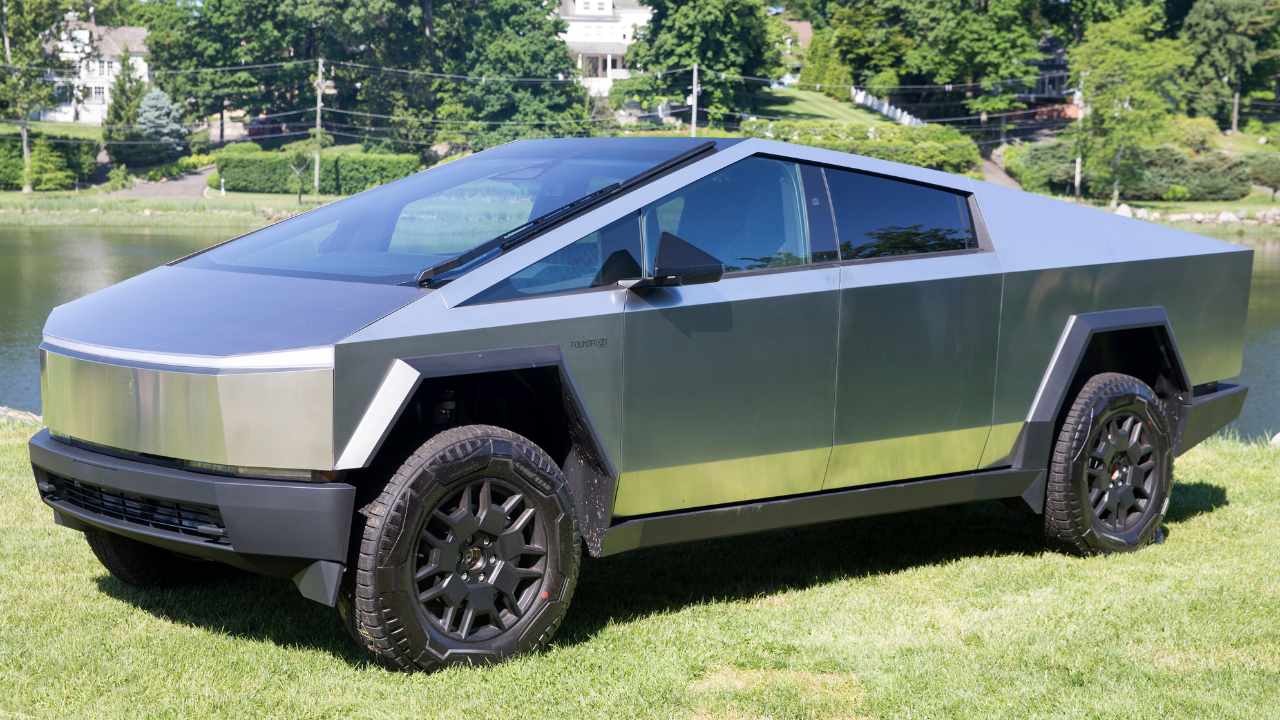
Elon Musk has confirmed that Tesla will wind down Cybertruck production. The electric pickup’s manufacturing operations at the company’s Texas factory will wind down around mid-2027 to make room for increased Cybercab output, Musk announced in a post shared on the microblogging site X (formerly Twitter). In his X post, Musk wrote: “Tesla will be winding down production of the Cybertruck at Gigafactory Texas around the middle of next year to make room for increased Cybercab production.”According to a report by the news agency Reuters, the announcement follows weaker-than-expected sales, repeated recalls and price changes for a vehicle Musk once positioned as a futuristic rival to established pickup trucks.
Tesla began delivering the Cybertruck in late 2023, but demand has fallen short of his projections. The move opens up factory space for Tesla’s driverless robotaxi plans. Musk, however, did not say whether Cybertruck production would move elsewhere or stop entirely, leaving the model’s longer-term future uncertain.Tesla Cybertruck sales fell short of Musk’s targetsAccording to Kelley Blue Book figures cited in the Reuters report, Tesla sold 20,237 Cybertrucks in the US in 2025, down 48% from 38,965 in 2024.
Around the start of production in 2023, Musk had predicted annual sales of 250,000 vehicles.“It doesn't make sense to keep it going when it's not meeting its targets,” former Aston Martin CEO Andy Palmer told Reuters. “Every rational auto guy would say the same.”The pickup’s difficulties extended beyond demand. Tesla has issued 11 Cybertruck recalls since deliveries began, according to the National Highway Traffic Safety Administration.
Some required physical repairs, while others were addressed through wireless software updates. Tesla also repeatedly revised prices as the model struggled to sustain buyer interest.Cybertruck's design limited opportunities outside the USUnveiled in 2019, the Cybertruck attracted attention for its angular stainless-steel body. Its design also limited opportunities in markets with pedestrian-impact requirements.“Anywhere where you have crash regulation that takes into account pedestrian impact, that Cybertruck won't go, can't go,” Palmer said.Automotive analyst Felipe Munoz said that the sales challenge extended beyond Tesla, with electric pickups from other manufacturers also struggling to gain traction in the US.Despite announcing the wind-down, Musk described the Cybertruck on X as the “best vehicle Tesla has ever made” and called the decision the “end of an era.”Why Cybercab has become the next manufacturing priorityThe two-seat Cybercab has butterfly doors and no steering wheel, pedals or mirrors.
Musk sees it becoming Tesla’s main autonomous vehicle within a wider robotaxi network.Tesla began offering paid Cybercab rides in Austin in September. About 570 of the company’s more than 1,200 robotaxis operating in Texas are Cybercabs, with the remainder mainly Model Y vehicles, according to the state’s Department of Motor Vehicles.“Cybertruck was an incredible technology development platform and lives on through Cybercab,” Cybertruck lead engineer Wes Morrill said on X.The robotaxi program still faces regulatory scrutiny.
The US auto safety agency opened an audit in September examining Tesla’s basis for certifying that Cybercab complies with federal vehicle safety standards.You use AI every day. Now get your AI Quotient. Take the AIQ test.