Google builds ‘Mirror Dimension’, synthetic version of internet to test Chrome AI agents
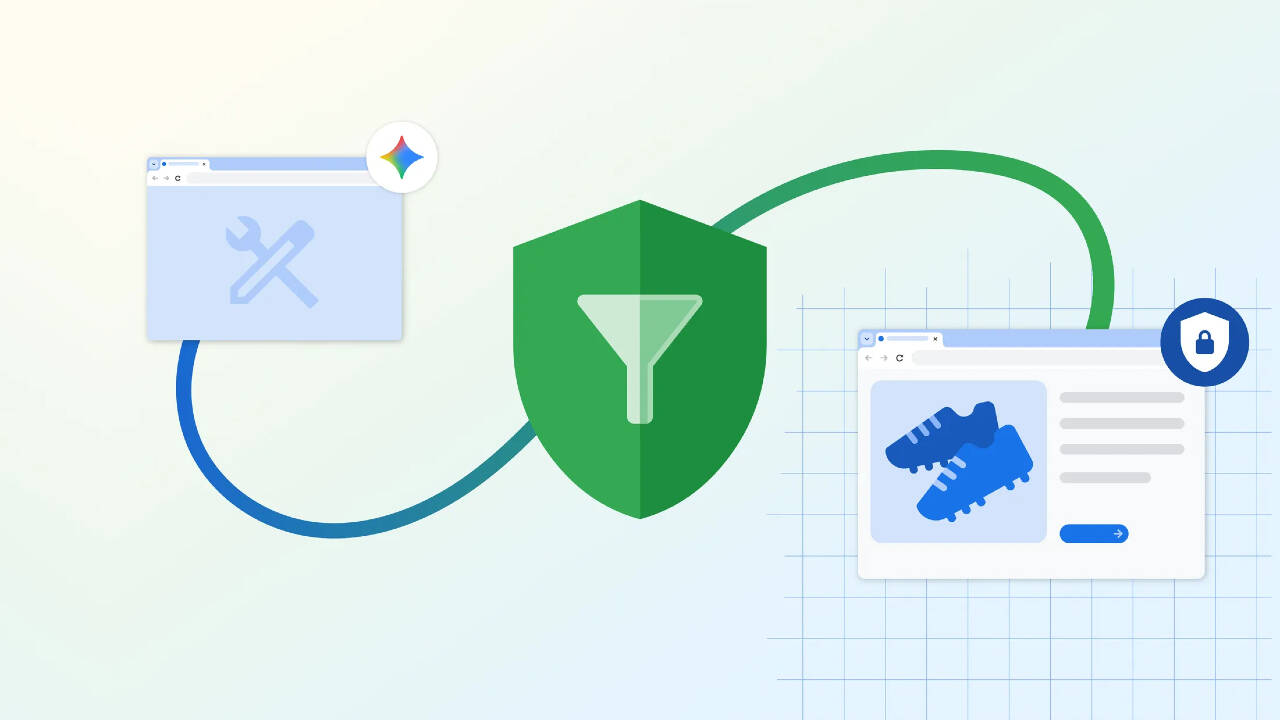
Google has built an expansive, isolated alternate-universe internet called the “Mirror Dimension” to keep its upcoming Gemini-powered browser features from going haywire on the open web. The motive of this synthetic (or fake) is to train and stress-test its AI browsing agents under complete control. Detailed for the first time recently, the Mirror Dimension solves a major dilemma in AI development.
“Web-use” agents must learn how to navigate real websites and defend against online attacks, yet limited test environments are too narrow, and AI models can develop “eval awareness,” altering their behaviour once they realise they are inside a basic simulation. At the same time, releasing unrefined agents onto the live internet poses clear risks.Rick Osterloh, Google’s devices head, wrote: “Welcome to the Mirror Dimension.
Great to see the Chrome team openly share how they stress-test auto browse in a hermetic, synthetic web. Hope this helps everyone building agents!”Inside Google’s synthetic web ecosystemThe Mirror Dimension is a sweeping, diverse, yet completely isolated web ecosystem built with all the components and attributes of real websites, including social media platforms, online shopping portals and banking dashboards.
Inside this environment, browsing assistant agents interact with pages and complete tasks inside Chrome just as they would on the open internet.To populate a world vast and varied enough to mirror the real web without taking years to build, the Chrome team deployed armies of website and web app development agents guided by a purpose-built AI harness. These automated builders generated realistic services and user flows, right down to entering promo codes on shopping sites and filling out social media pages.How this ‘Mirror Dimension’ worksAs AI agents navigate this synthetic internet, they face a gauntlet of real-world safety and security challenges.
Agents are subjected to resilience tests designed to trick them into leaking data or taking unintended actions, hardening their defenses before they ever touch real user accounts.According to Charles Qian, a software engineer on the Chrome AI security team, agents are not hard-coded for every scenario, making thorough exploration essential because “the exploration space that we have to address is huge and the web is hostile.” Qian noted that agents are beginning to show mature judgment, learning what information is genuinely required for a task and when to pause and ask the user for confirmation.Hacking Chrome to make training realistic and safeAs accurate training required running the agents inside the actual Chrome browser rather than a stripped-down mock-up, researchers ran into an unexpected hurdle: Chrome’s own built-in user protections and validity checks blocked the fake websites.
To give the agents an authentic browsing experience, the team essentially had to hack the browser and take elaborate steps such as generating forged web certificates to pass validity checks.Google emphasised that none of these workarounds could ever be used against everyday Chrome users on the open internet; they were only possible because researchers held “god-mode” privileges across an environment and network they entirely controlled.While the browsing assistants currently being tested are benign and lack cyber capabilities, Google plans to open up the Mirror Dimension to other internal teams so more researchers can test AI systems in a safe, controlled sandbox.Fearless legend or grounded realist?
Rate yourself on 11 categories in the Great Indian Confidence Survey – find out in 3–6 min