Bollywood star’s son broke down, questioned probe in drugs case: Ex-narcotics officer in book
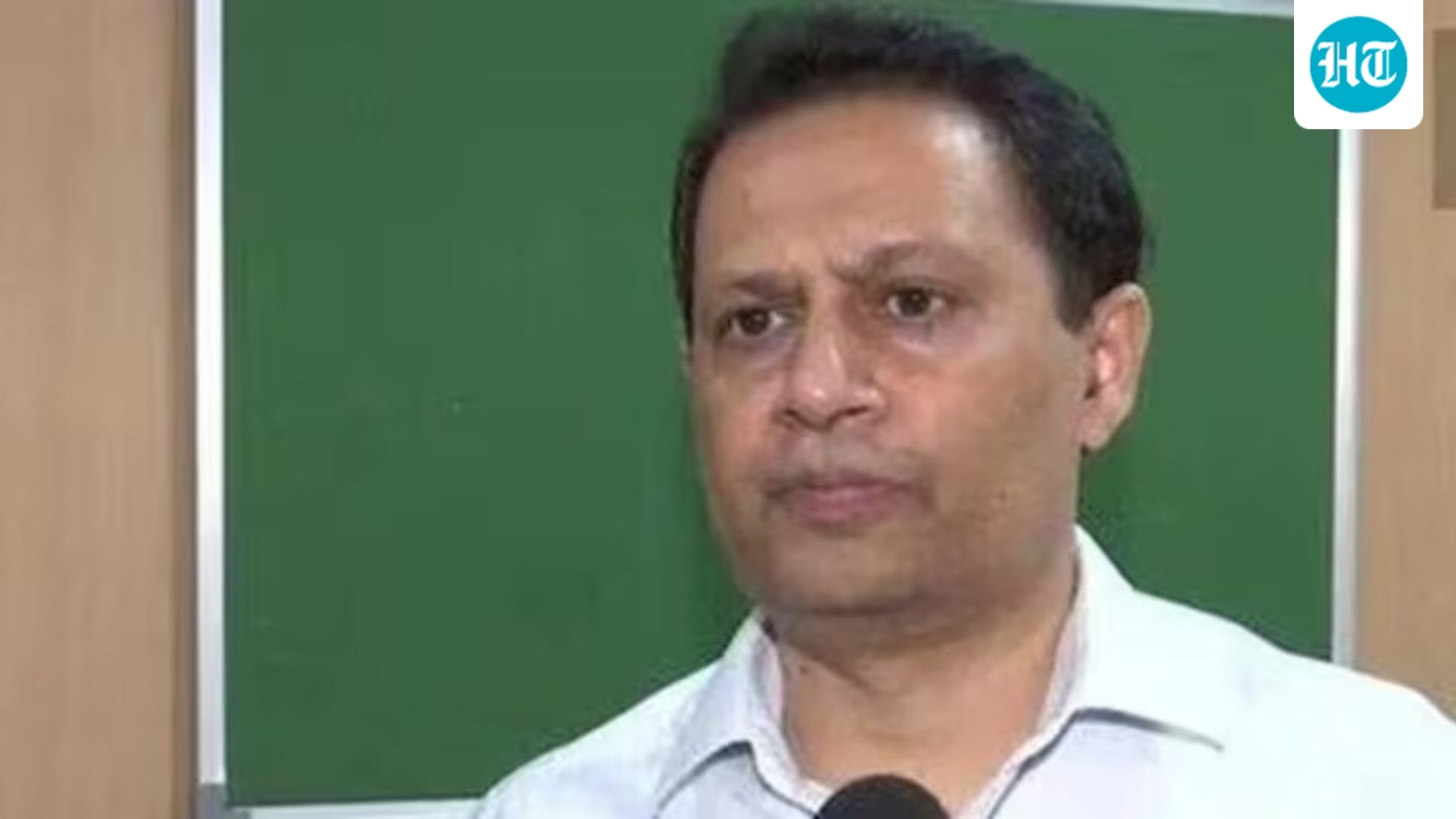
A former Narcotics Control Bureau (NCB) officer who led the probe into the 2021 Cordelia cruise drug bust has recounted an emotional interaction with the son of a Bollywood superstar, who, according to the officer’s account, broke down while describing his arrest and alleged attempts to implicate him in a drug-trafficking conspiracy.In his book Code of Honour, set to be released on Saturday, Sanjay Kumar Singh, the then NCB deputy director general who headed the Special Investigation Team (SIT) that re-examined the case, describes how the man questioned the fairness of his treatment, telling him: “Sir, aapne to mujhe international trafficker bana diya, aapne mujhe drug financier bana diya, kya yeh theek hai jee?
Mere paas se to drug bhi nahi mila tha NCB ko.” (You have made me into an international drug trafficker, you’ve made me into a drug financier. How is that fair? The NCB did not even recover any drugs from me.)Also read: India-US joint narco bust: Investigators find arrested man deported from US in drug caseName of the person not mentionedWhile Singh does not name the person, referring to him as the “son of the celebrity”, the account appears to refer to Aryan Khan, son of actor Shah Rukh Khan, who was arrested in the case in October 2021.
“While narrating the entire episode, the son of the celebrity broke down several times. His emotions were raw, and it was clear that the pressure he had been under — both during the investigation and the media storm that followed — had taken a heavy toll on him,” Singh writes.The SIT’s probe eventually led the NCB to drop charges against Aryan and five others, while filing a charge sheet against 14 accused in May 2022.
The re-examination also flagged gaps in evidence collection and procedural lapses in the original probe led by former Mumbai zonal director Sameer Wankhede.Singh writes that his visit to the cruise ship and conversations with officers involved in the raid left him dissatisfied. He questioned whether the seizure was videographed or photographed and sought details about the informer whose tip-off had triggered the operation.
“The lack of thorough documentation and procedural clarity raised red flags for me,” he writes.He also questioned the decision to make the informer a formal witness, saying informers are generally not made witnesses to protect their identity and avoid conflicts of interest. The SIT subsequently found inconsistencies and contradictory claims while recording statements of witnesses and accused.The WhatsApp chats recovered from his phone referred to drug consumption while abroad rather than trafficking or possession, according to Singh.
He also flags that the phone was not seized following proper procedure and that no medical examination was conducted to establish drug consumption.Also read: NCB busts Delhi-to-Kashmir pharma drug racket; four heldSIT found insufficient evidenceThese findings led the SIT to conclude that there was insufficient material or technical evidence to prosecute him, Singh writes, adding that the team faced no pressure to take the probe in a particular direction.The book also recounts Singh’s difficult final years in the Central Bureau of Investigation (CBI), where he served between 2008 and 2015.
Writing about the controversy involving then CBI director Ranjit Sinha, who was accused of meeting people facing corruption charges at his official residence, Singh describes his dilemma when he was asked to prepare the agency’s defence in the matter. He says he refused, believing that defending Sinha would compromise principles of transparency, fairness and accountability. Singh was subsequently transferred to Guwahati.