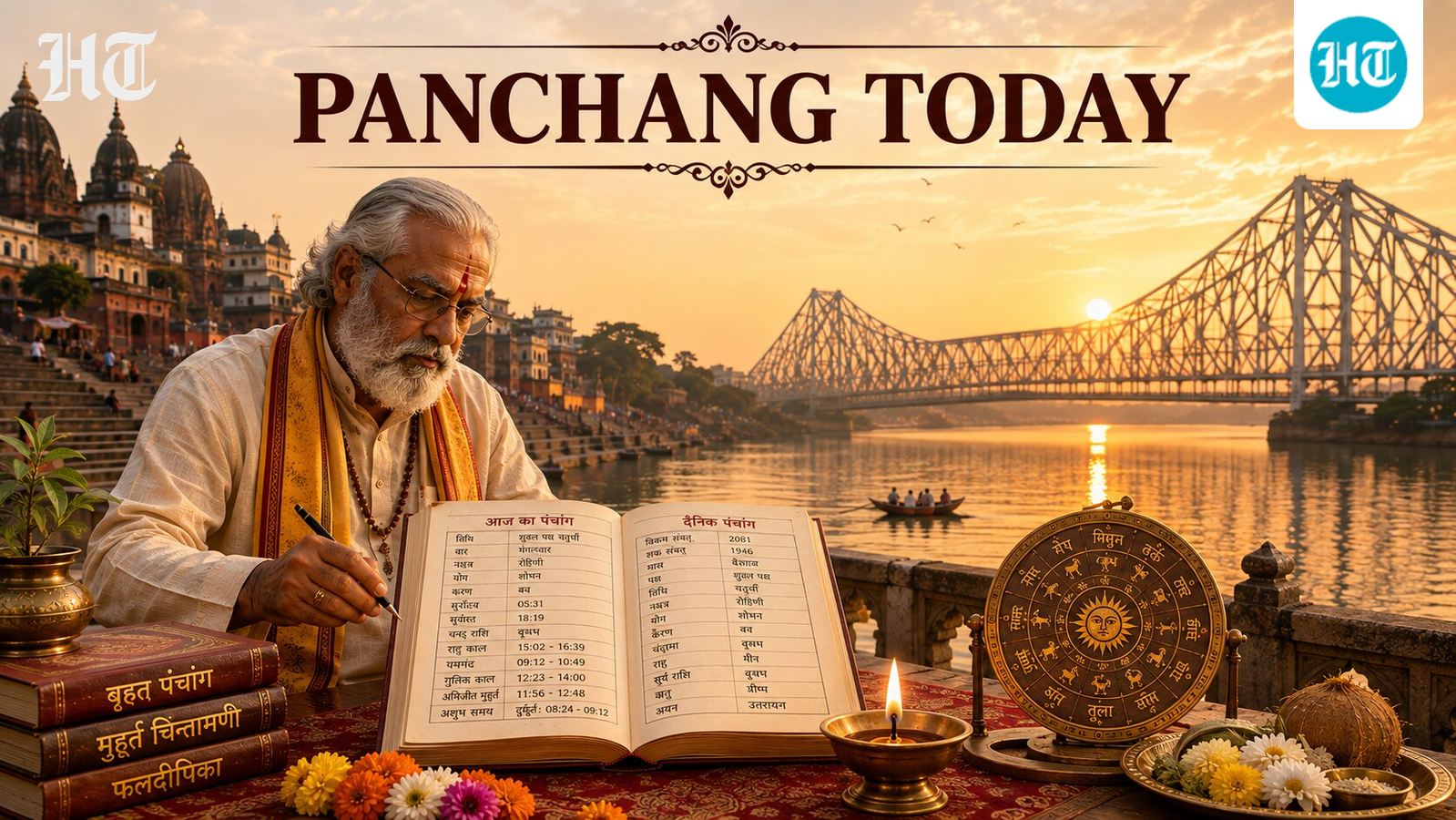
Panchang Today, November 3, 2026: Krishna Navami under Magha Nakshatra
In traditional Panchang interpretation, November 3, 2026, favours a measured approach to responsibility, with purposeful effort best balanced by patient communication, realistic planning and enough space to reconsider decisions before making commitments at work or home. How to use it: Prefer this period for quiet planning, reflection or prayer. Avoid new beginnings during Rahu Kaal.What Today's Panchang MeansIn traditional Panchang interpretation, Tuesday's Mangalvar is associated with purposeful action, while Krishna Navami invites a more restrained approach to how that effort is used.
Read together, they offer a practical theme: act where the task is clear, but avoid making urgency a reason to skip preparation. For readers in New Delhi, this can mean concentrating on responsibilities already in hand rather than adding commitments simply to appear productive.Within this traditional reading, Magha brings attention to respect, established roles and the way authority is exercised.
The Moon in Leo adds a related emphasis on dignity and self presentation. These associations are best used as prompts for conduct, not predictions about anyone's mood or circumstances. Give experience its due, while leaving room for questions and different views.The combined guidance supports firmness without display. A useful measure of progress is whether a decision is clear, proportionate and considerate of those affected.
There is no need to prove resolve through confrontation or to mistake a change of mind for weakness.How to Use the DayWork and important decisionsIn traditional Panchang interpretation, the day's combination supports directed effort with checks along the way. At work, choose a manageable priority and establish what completion actually requires before taking on additional requests.
Written instructions, clear ownership and realistic deadlines can help keep assertiveness from becoming unnecessary pressure.For important decisions, separate what is confirmed from what still needs checking. Ask for missing information rather than filling gaps with assumptions, particularly when colleagues or clients will carry part of the responsibility. Those who follow Panchang guidance may use its emphasis on restraint as a reminder to review commitments carefully.
Practical evidence, professional advice and existing obligations should remain central to the final choice.Relationships and communicationIn traditional Panchang interpretation, the emphasis on dignity and respect offers a useful starting point for conversations at home and among friends. State your concern plainly, but avoid making the discussion a test of who deserves the last word.
Listening fully can be more helpful than preparing an immediate reply.Where family roles or expectations are involved, acknowledge another person's contribution without assuming that agreement must follow. If a discussion becomes repetitive, suggest returning to the specific issue rather than revisiting every earlier disagreement. This traditional guidance is a prompt for considerate conduct, not a forecast of tension.
Small, dependable gestures may be more useful than an elaborate explanation.Reflection and spiritual routineThose who follow Panchang guidance may use the day for a straightforward review of priorities and personal conduct. Consider where determination has helped you finish something useful, and where attachment to being right has made a task harder. The purpose is honest assessment rather than self criticism.If reflection or prayer is already part of your routine, keep it simple and compatible with your responsibilities.
A short period without distractions can provide space to identify one unfinished matter and decide on a practical next step. There is no need to add an unfamiliar practice. Let the review end with something manageable, such as clarifying a commitment or making time to listen. Those who follow Panchang timings may use Brahma Muhurta, from 4:50 am to 5:42 am, for quiet planning, reflection or prayer.
This is the highlighted favourable window in the supplied guidance for New Delhi. Keep its use modest and purposeful: review the day's priorities, consider an unresolved question or make room for an existing prayer routine.The traditional designation need not turn the morning into a demanding schedule. If this period fits your usual routine, choose one activity rather than trying to complete several.
If it does not, avoid treating the missed window as a lost opportunity. A favorable period is a customary aid to organising attention, not a promise of success. Preparation, sound judgement and consideration for other people's schedules remain important whenever you act. Those who follow Panchang timings may treat Rahu Kaal, from 2:49 pm to 4:12 pm, as a period for extra care when considering a fresh undertaking.
In traditional practice, it is a reason to pause over the timing of a discretionary start, not a prediction that ordinary activity will go wrong.Where your schedule allows, use this interval to review paperwork, check details or continue responsibilities already under way rather than rushing into an avoidable new commitment. If a meeting or deadline cannot be moved, prepare carefully and attend to what the situation requires.
Do not neglect essential duties or let the timing become a source of anxiety. The practical value of this caution lies in slowing an impulsive decision and allowing a clearer review, while keeping real world needs and obligations in view. In traditional Panchang guidance, the day's useful balance is between resolve and restraint. Choose a clear priority, speak with respect and leave room to check important details.
Use the timings where they fit your circumstances, while allowing practical responsibilities and informed judgement to guide what you finally do.This article presents traditional Panchang guidance for general information. Timings vary by location.Dr. Achary Kalki Krishnan(Vastu consultant, Vedic astrolog…